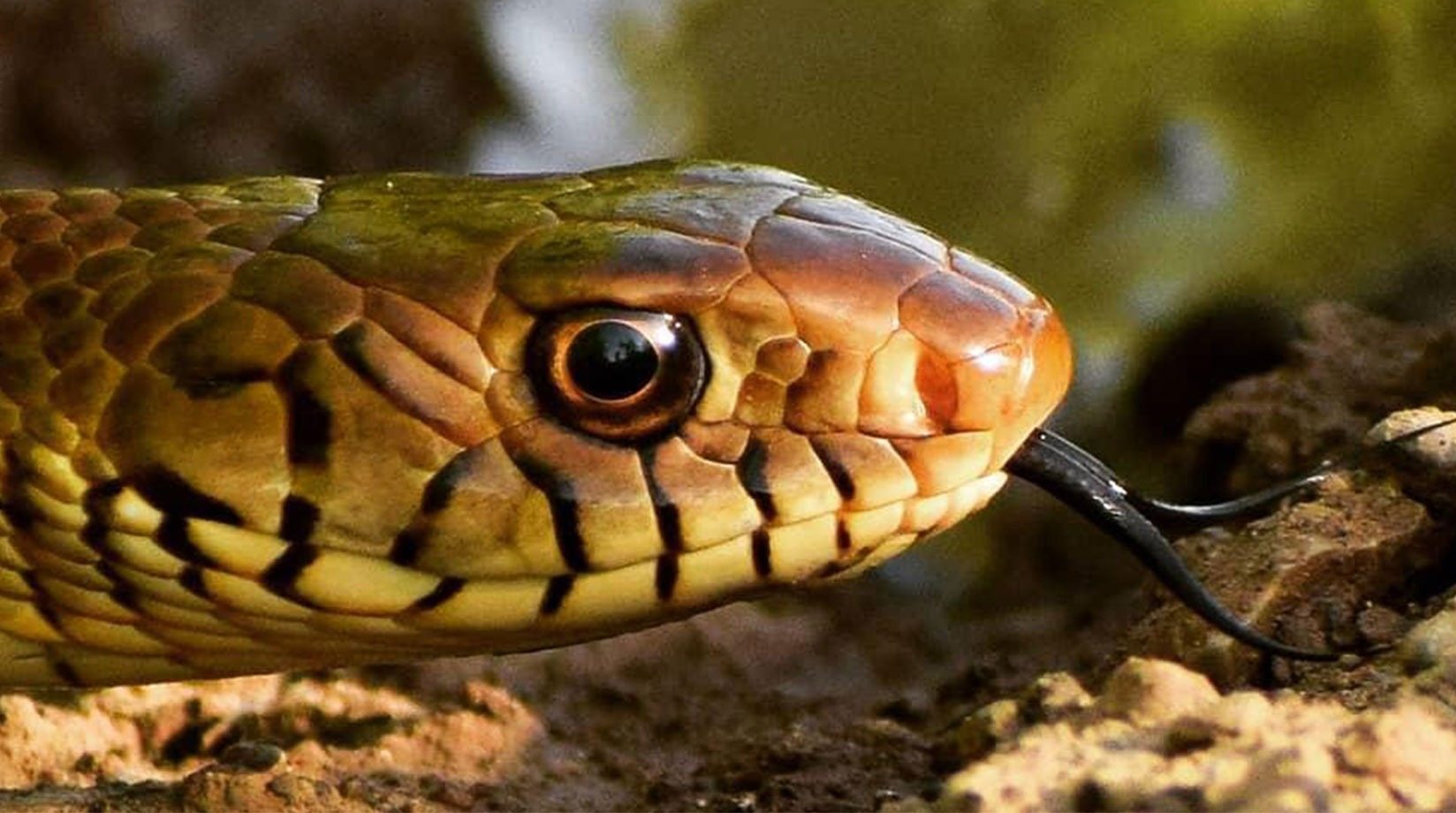
Snakes hold a special place among the most dangerous creatures on the planet. To avoid becoming an extreme explorer, it’s essential to know which species are hazardous. Below is a selection that will make your heart beat faster.
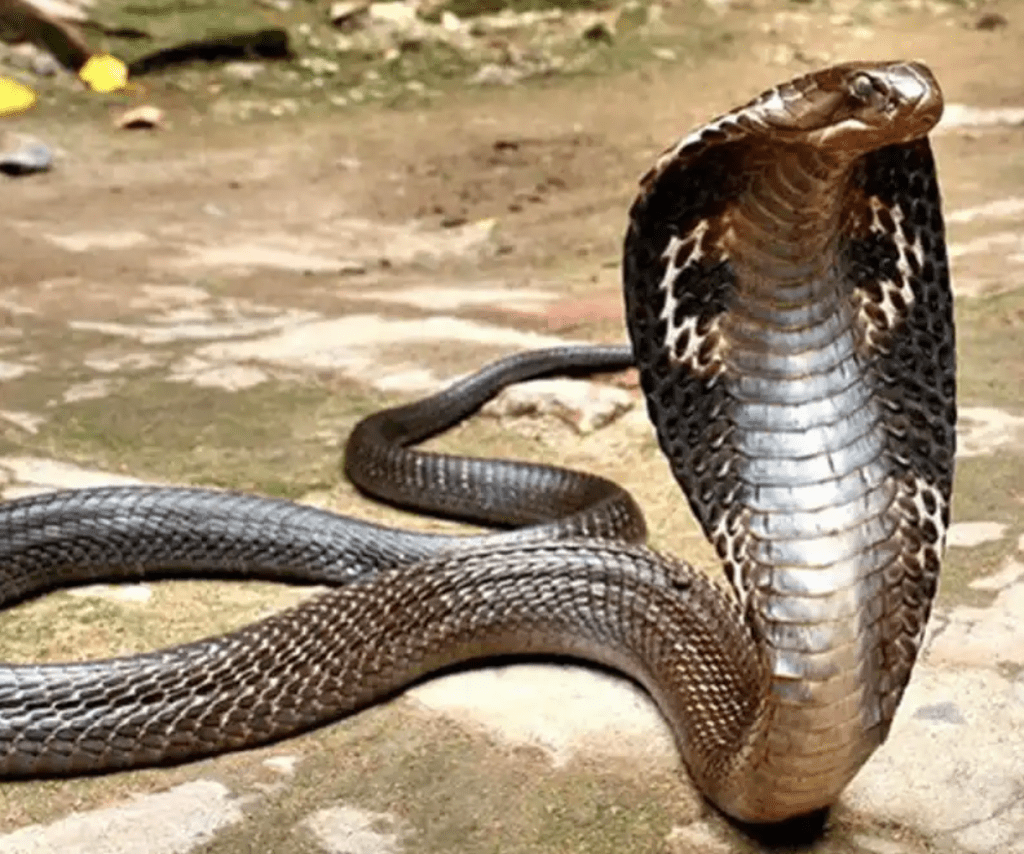
King Cobra
The king cobra, the longest and one of the most venomous snakes on earth, is found in the dense forests of India and throughout Asia. It can reach lengths of over 5.5 meters. In everyday life, king cobras rarely attack humans, preferring to feed on small animals and other snakes. However, their venom contains so many neurotoxins that it can even kill an elephant. The survival rate of a human bite is only about 40%.
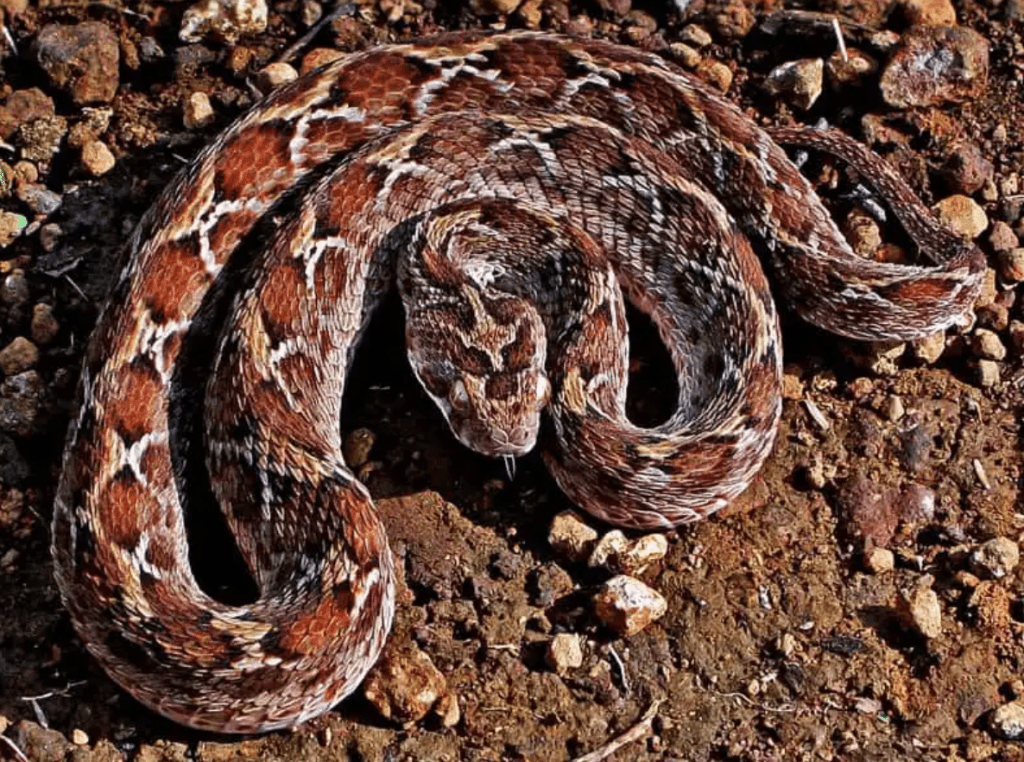
Saw-scaled Viper
This small but extremely aggressive nocturnal snake is found in India, China, and other regions of Asia. Its reaction is lightning fast—and its bite is felt immediately. Swelling develops immediately, bleeding from the mouth begins, blood pressure drops, and the heart rate slows. Without treatment, a person can die within 24 hours or suffer for up to two weeks. And no insurance can truly save them.
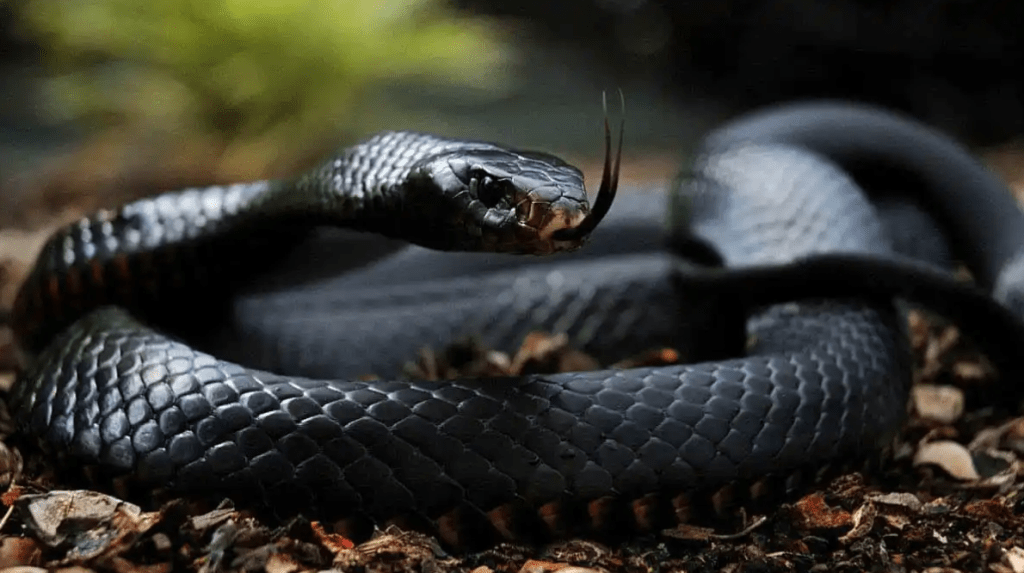
Black Mamba
Its bites have caused numerous deaths across Africa. The black mamba is characterized by incredible speed and highly toxic venom. It can strike up to 12 times in a row, each time injecting a massive dose of deadly neurotoxin. A single bite is enough to deliver a toxic dose tens of times greater than the lethal dose for humans. Without immediate assistance, death can occur within 15 minutes.
Boomslang
This South African tree snake is known for its ability to open its mouth wide—up to 170°. After a bite, symptoms may not appear for several hours, making the situation especially dangerous. Boomslang venom causes severe internal bleeding, and delaying treatment can be life-threatening.

Tiger Snakes (Black Tiger Snakes)
These snakes have dangerous, often fatal venom. A bite can cause death within 30 minutes, although more often it takes 6-24 hours. Symptoms include tingling, heavy sweating, and numbness. Tiger snakes typically avoid people, but when threatened, they become very aggressive.

Inland Taipan
This Australian snake holds the record for the most toxic venom among land species. A mixture of neurotoxins causes paralysis, hemorrhaging, respiratory problems, and tissue destruction. Despite its extreme danger, the taipan rarely attacks—it is secretive and prefers to avoid contact. However, an untreated bite can result in death within 30-45 minutes.
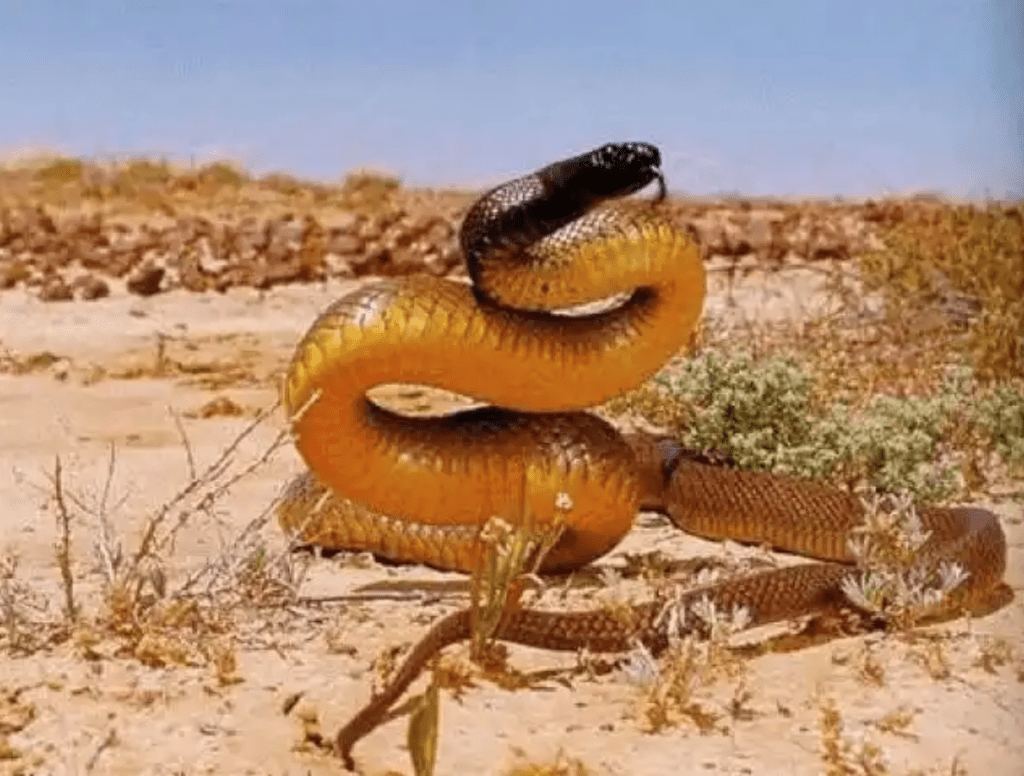
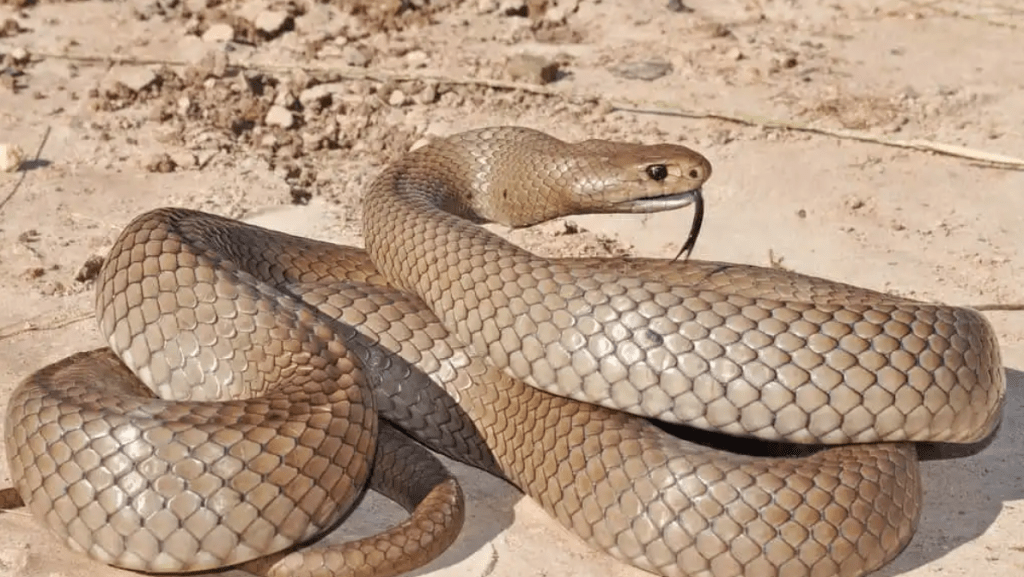
Eastern Brown Snake
The slightest bite from this Australian snake can kill an adult. It is the second most toxic land snake in the world. It is highly aggressive and accounts for approximately 60% of all snakebite deaths in Australia.
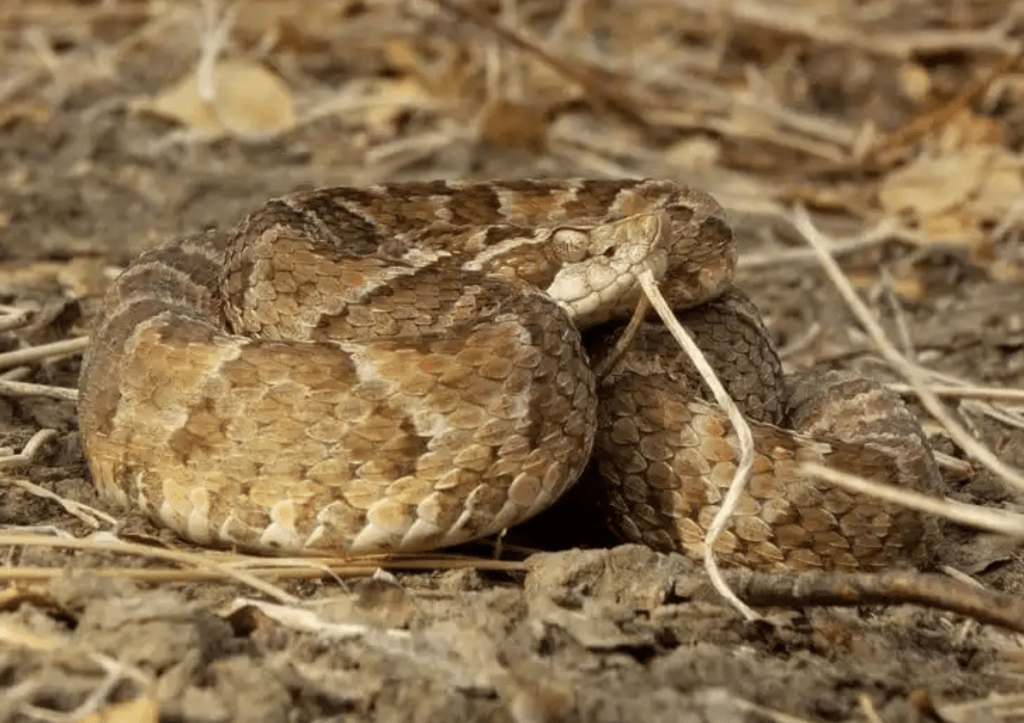
Bothrops atrox
The South American pit viper inhabits tropical forests. It is easily aroused and active at night, but can also hunt during the day, even climbing trees and swimming. Its venom is fast-acting and destructive. Even with treatment, long-term effects, such as memory impairment, are common.
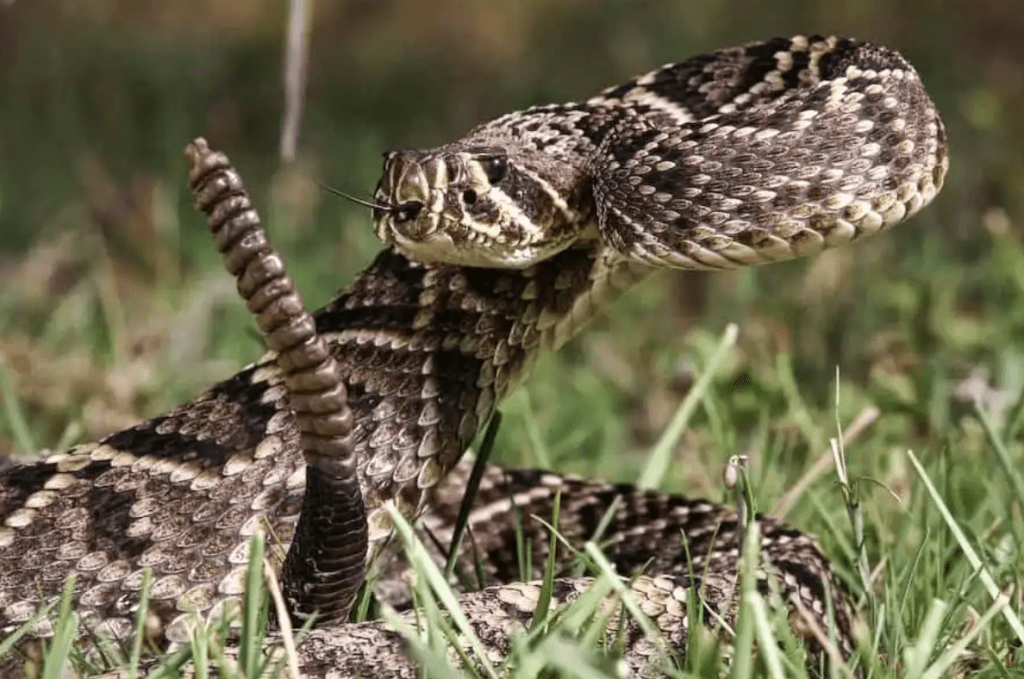
Eastern Diamondback
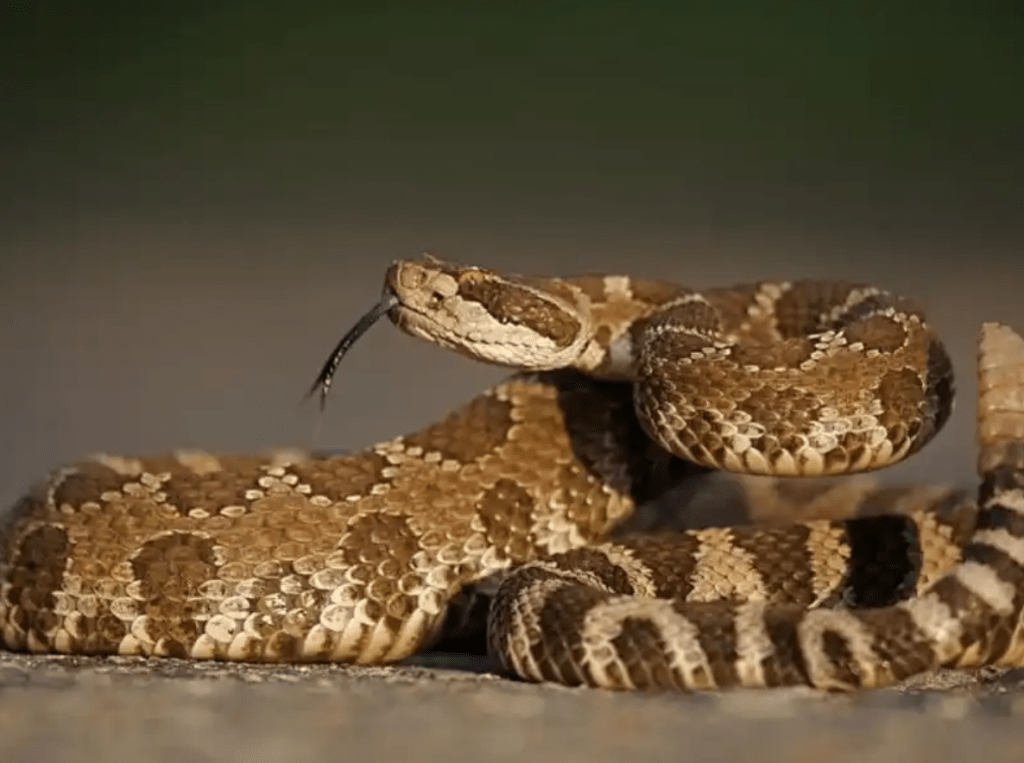
According to National Geographic, this is the largest venomous snake in North America, reaching lengths of up to 2 meters and weighing up to 4 kg. It generally avoids humans, but bites can occur if it is disturbed or if someone tries to catch it. Its final warning before attacking is a powerful rattling of its tail.
Western diamondback rattlesnake
Common in the southwestern United States and is responsible for the majority of fatal snakebites in northern Mexico, as well as a large number of cases throughout the United States. Best to stay away.
 Discuss
More news
Discuss
More news