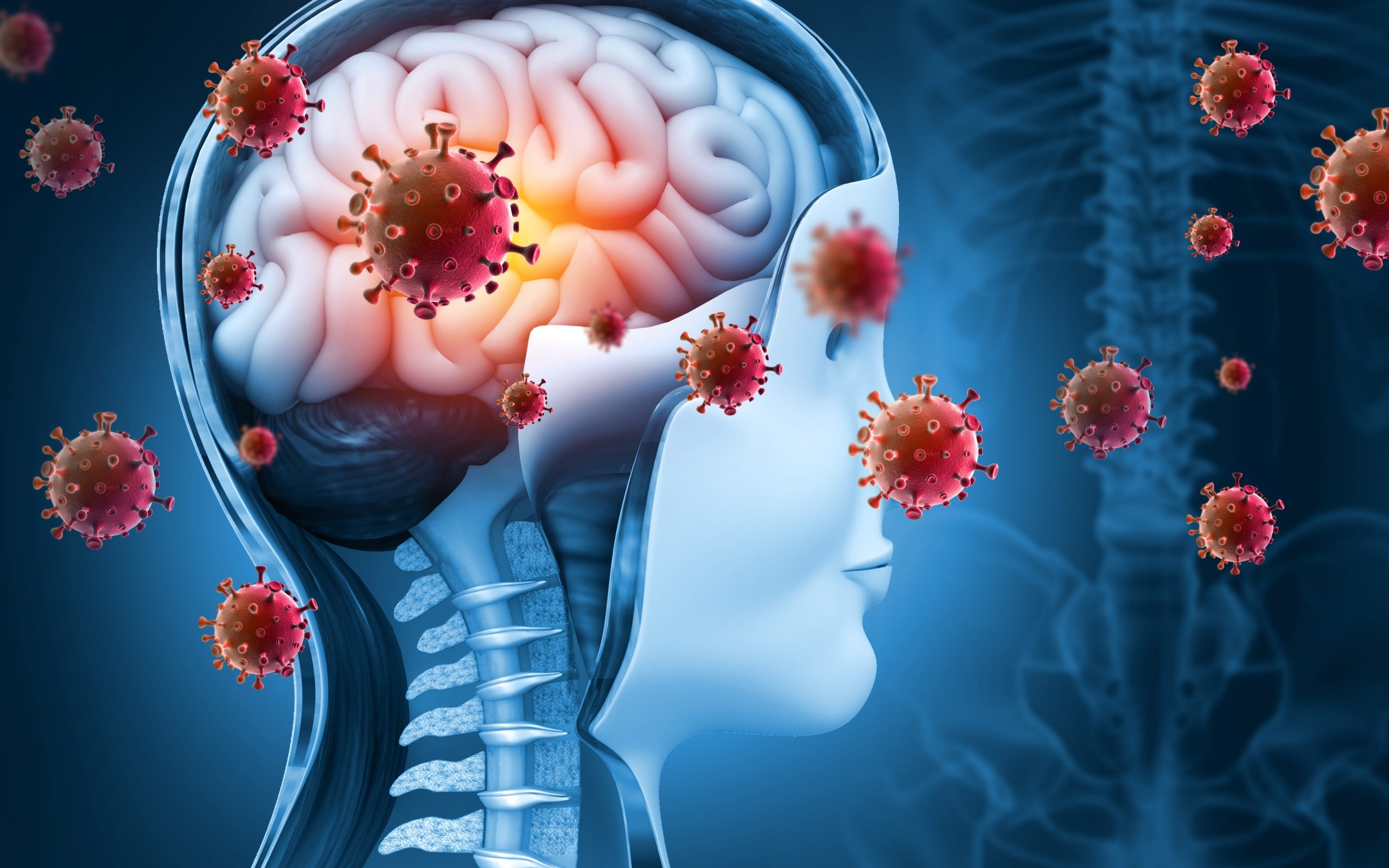
Australian researchers have reached conclusions that could concern millions of people who have recovered from the coronavirus. New data indicate that the infection can cause lasting changes in the brain, even in those who experienced the disease without symptoms.
Although the pandemic has officially ended, and most people who recovered have long since returned to their regular routines, experts are testing whether the body fully recovers from COVID-19. Scientists from an Australian research center have challenged this common belief.
The virus affects more than just the lungs.
A team of researchers set themselves a significant task: using modern medical imaging techniques to study the brain in people after infection. The results were compared with data from a control group whose members had never been infected with the coronavirus.
The results were unexpected. It turned out that COVID-19 affects more than just the respiratory system. Scientists from Griffith University used high-precision scanning technology to assess the condition of nerve tissue. Study leader Dr. Kiran Thapaliya presented the results in a specialized scientific journal devoted to the interaction of the brain and the immune system.
The analysis focused on areas responsible for memory, thinking, and overall nervous system function. Both gray and white matter were examined. In all cases, significant differences were recorded between the groups.
The technique used revealed changes in the chemical processes underlying nerve signaling. Structural abnormalities and deviations in neural activity intensity were also detected.
The effect is long-lasting.
Most concerning for the specialists was that such changes were observed not only in people with so-called “long COVID.” Similar abnormalities were also found in participants who considered themselves completely healthy and did not report any health concerns. The findings may explain why some recovered patients experience declines in memory, concentration, and cognitive function months or even years after infection.
Australian scientists have concluded that the coronavirus can leave a long-lasting mark on one of the most important human organs—the brain. This discovery expands our understanding of the pandemic’s impact and may play a key role in further studying the virus’s effects on the nervous system.
 Discuss
More news
Discuss
More news