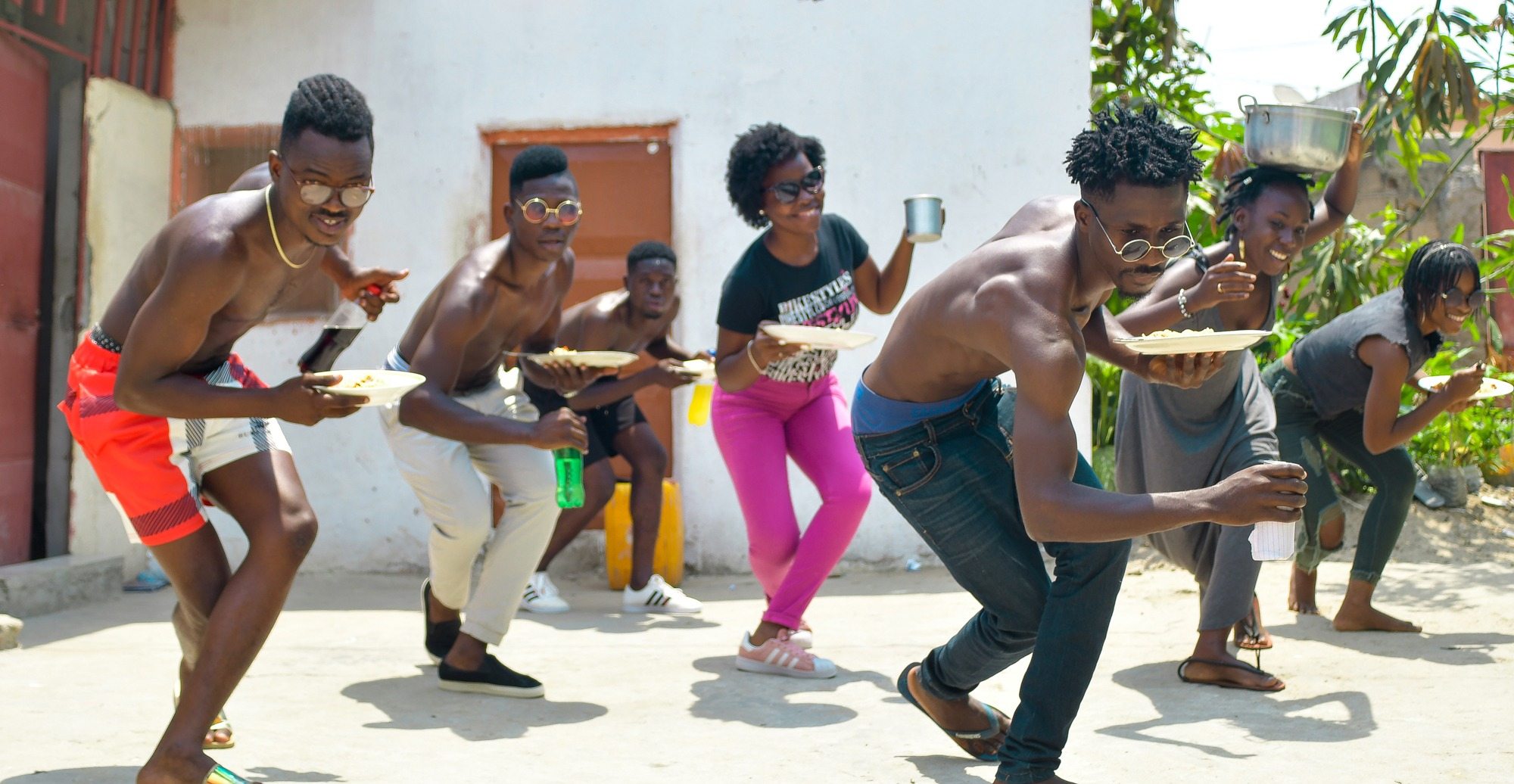
YouTube is often blamed for promoting fleeting trends and turning everything into viral noise. Yet the same platform has also given new life to traditions that might otherwise have remained local or slowly faded away. One striking example is kizomba — a close, expressive partner dance that originated in Angola during the 1970s.
Today, YouTube videos have introduced this once-regional dance to audiences worldwide, turning it into an international phenomenon.
Here are several performances that perfectly capture its magic:
Isabelle & Felicien — “Mil Pasos” (Fusion Kizomba 2018, Rome)
Watching this duo feels like witnessing a story unfold without words. Their choreography to “Mil Pasos” by Soha blends softness with control, passion with precision. They move in sync so naturally that it seems they’re responding to each other rather than to the music itself. The atmosphere — glowing lights, evening ambiance — performs a cinematic quality, as if it were a scene from a romantic film.
David Campos & Guida Rey — “Magico” (Houston)
This performance feels less like a show and more like a quiet conversation. Every subtle movement — a shift of weight, a pause, a gentle lead — adds depth to the story they’re telling. Their dance to “Magico” highlights trust and closeness, showing how kizomba thrives on emotional awareness rather than dramatic spectacle.
Isabelle & Felicien — KiMa Festival 2021
Once again, this pair demonstrates why they are so closely associated with modern kizomba. At KiMa Festival, their style balances tradition with innovation. Their steps are smooth, restrained, and deliberate — proving that evolution in dance doesn’t erase its roots but builds upon them.
Jack & Sara — “Experience” by Ludovico Einaudi
Dancing to the instrumental piece “Experience,” Jack and Sara create an atmosphere filled with tension and emotion. The slow tempo and soft lighting enhance the intensity between them. The performance feels deeply personal, as though each movement carries unspoken meaning.
Sara Lopez — A Solo Presence
Sara Lopez stands out as one of the most influential figures in the kizomba world. Her solo performances radiate confidence and control, demonstrating that the dance’s emotional depth isn’t limited to partner work. Through both her performances and tutorials, she emphasizes awareness, musicality, and presence — qualities that resonate with dancers at every level.
From its beginnings in Angola to its digital rebirth on screens worldwide, kizomba’s journey shows how culture adapts and travels. Sometimes, rediscovery doesn’t happen in a ballroom or on a stage — it begins with a simple click of “play.”
 Discuss
More news
Discuss
More news