In 1925, sculptor Gutzon Borglum stood before a granite cliff with an idea that seemed insane. He didn’t simply want to carve figures into the rock—his goal was far grander: to create gigantic portraits of presidents right there in the rock. This required incredible precision: transforming a small model into faces nearly 18 meters tall, without modern technology or room for error.
At the beginning of the 20th century, South Dakota was experiencing an economic downturn. Historian Don Robinson proposed a grand project that would attract tourists and revitalize the region. Initially, the idea was to feature heroes of the Wild West, but Borglum insisted on presidential images, transforming the project into a symbol of national significance.
When construction began in 1927, the Great Depression soon struck. For hundreds of people, working on the mountain became their only source of income. Among them were miners and farmers, willing to toil for modest wages, risking their lives at height, operating heavy tools.
Before carving the faces, the mountain itself had to be prepared. Roads were laid, workshops and housing were built, and a long wooden staircase leading upward was constructed. Engineers installed kilometers of pipes to supply air to the tools. Despite the dangerous conditions, not a single worker was killed during the entire project.
Precision was paramount. Borglum developed a special measuring device that allowed coordinates to be transferred from the model to the rock at a magnified scale. Workers drilled holes according to a predetermined pattern, creating a structure that allowed excess stone to be removed with maximum precision. This became a unique combination of engineering and art.
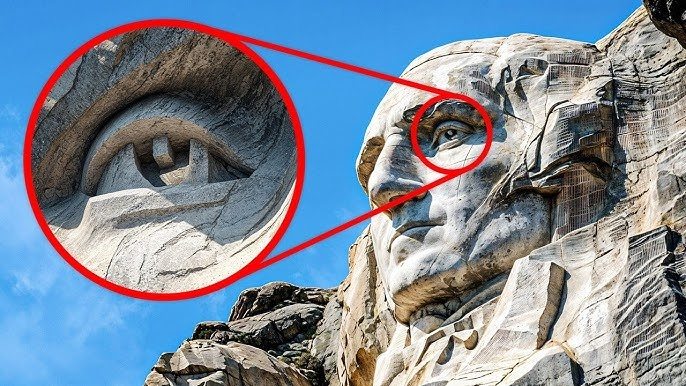
Particular attention was paid to the eyes. The sculptor strove to create the impression of a “living” gaze. To achieve this, recesses and polished areas were used to reflect the light. Working in these areas was particularly risky, but it was precisely this that gave the faces their expressiveness.
Borglum planned to create half-length figures and a hidden archive containing the country’s most important documents. However, World War II and his death in 1941 halted the project. Funding dried up, and the work was completed in its current form.
Today, Mount Rushmore remains not only a symbol of the country but also a monument to human perseverance—the result of the labor of hundreds of people who managed to achieve the almost impossible.
 Discuss
More news
Discuss
More news