During a routine renovation of an old building in Nevada, Iowa, Larry Sloan—owner of the Talent Factory theater—stumbled upon something that turned a construction project into an unexpected journey into the past. While removing rotted wooden floorboards on the third floor, he spotted a small, brown object wedged into a narrow gap between the joists. At first, it didn’t look like anything special, but Larry decided to take a closer look.
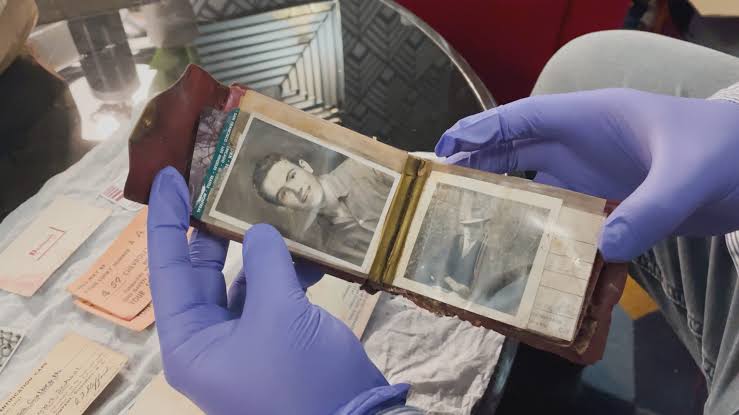
From the depths of the dusty space, he pulled out an old leather wallet, covered in cobwebs and layers of construction dust that had accumulated over the years. Despite decades of neglect, the leather had held up remarkably well. Larry and a friend carefully undid the darkened clasp, having no idea what remnants of a bygone era lay hidden inside.
Tucked into the compartments were yellowed World War II-era ration cards, a worn-out Boy Scout ID, and a few small black-and-white photographs. The pictures showed smiling strangers dressed in 1940s fashions. Every detail seemed to transport those who found the items back decades, to a time when America was living through the realities of war.
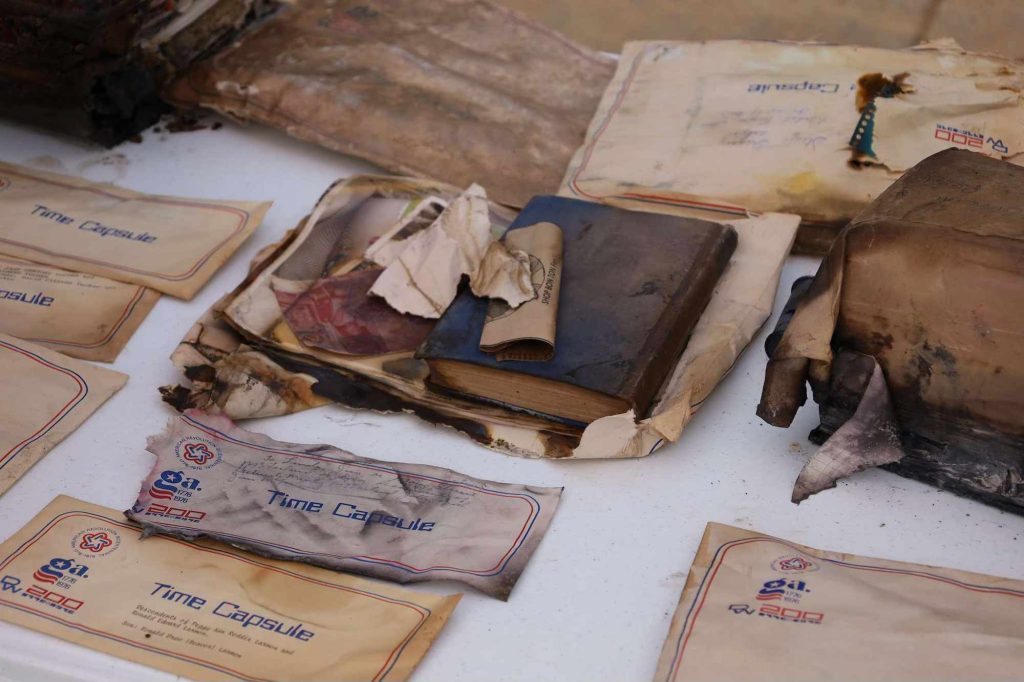
But the most surprising discovery was a small pocket calendar; the year 1944 was clearly printed on its cover.
The wallet had been lying beneath the floorboards for more than seven decades, preserving a tiny fragment of someone’s personal history. Perhaps it once belonged to a boy who had accidentally dropped it during an ordinary day—without even realizing it was gone. Since then, the building had changed many times, and its original owner had likely long since forgotten the loss. Among the photographs, Larry discovered a small identification card. On it, written in blue ink, was a name: Claire Mackintosh. Next to it was a home telephone number—consisting of only a single digit. By today’s standards, such an entry seems incredible, yet it vividly illustrates just how much everyday life has changed over the intervening decades.
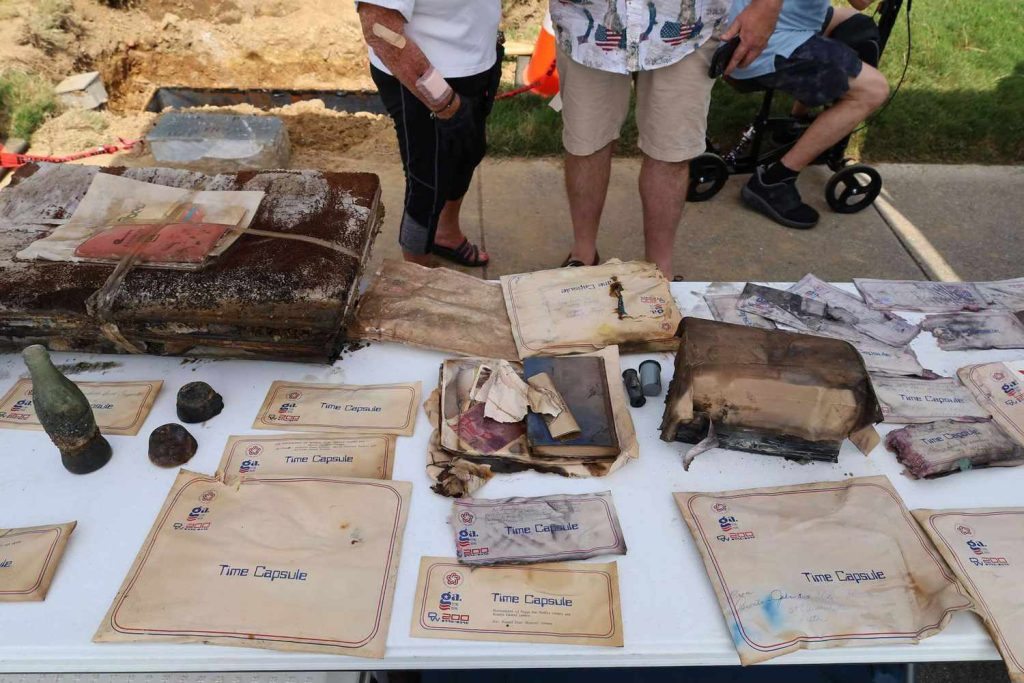
Larry realized this find was more than an old object to use as a theatrical prop; it held the potential for a real human story—one interrupted in 1944.
Who had owned the wallet? What had become of them over all these years? And was it still possible, after so much time, to return a piece of someone’s childhood?
Rather than keeping the item for himself, Larry decided to try to unravel its mystery. After all, somewhere beyond the old theater, someone might still have no idea that, decades later, their forgotten past would suddenly resurface.
 Discuss
More news