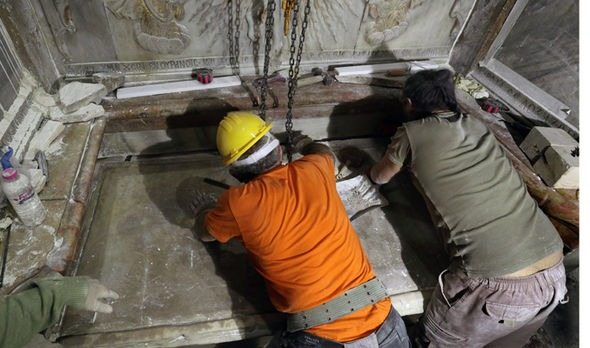
For nearly 500 years, no living person had touched the limestone shelf where Jesus Christ was said to have been laid. In October 2016, a team of scientists finally lifted the heavy marble slab — and what they uncovered left the room in absolute silence.
For centuries, the Church of the Holy Sepulchre in Jerusalem has guarded the ultimate mystery of Western civilization. But time and water damage had taken their toll, pushing the sacred site to the brink of collapse.
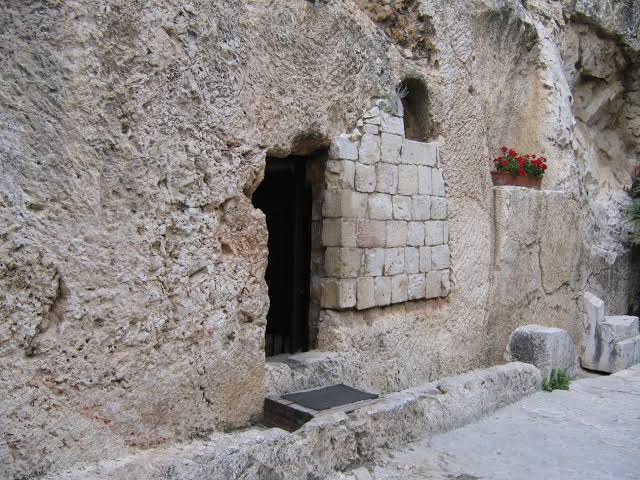
In October 2016, under strict deadlines and decades of political tension, a team of elite scientists was given just 60 hours to do the unthinkable: open the tomb.
60 Hours Against the Clock
The atmosphere inside the shrine was suffocatingly tense. Representatives from different Christian denominations—who had spent centuries arguing over every single brick of the church—watched over the scientists’ shoulders.
From October 25 to 26, the team worked in non-stop, exhausting shifts. The goal was to protect the structure, but everyone in the room knew they were looking for something else: proof.
When the heavy machinery finally groaned and moved the massive marble slab for the first time since 1555, the chatter stopped. Everyone froze.
What Was Under the Slab
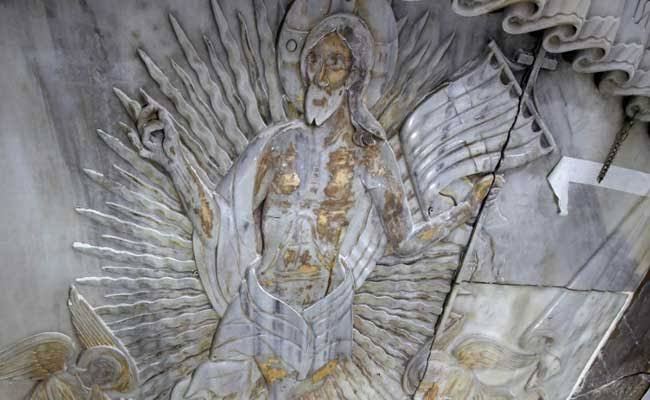
Scientists expected to find empty space or structural debris. Instead, they found something that changed our understanding of history.
Beneath the top grey marble layer lay a second, older, and completely forgotten marble slab, beautifully engraved with a cross. But it was what lay directly beneath that second slab that shocked the archaeologists:
A perfectly preserved, intact limestone burial couch.
“I was absolutely astounded,” said Fredrik Hiebert, National Geographic’s archaeologist-in-residence. “My knees were shaking a little bit. We didn’t expect to find the original rock shelf still whole.”
The One Thing That Didn’t Fit
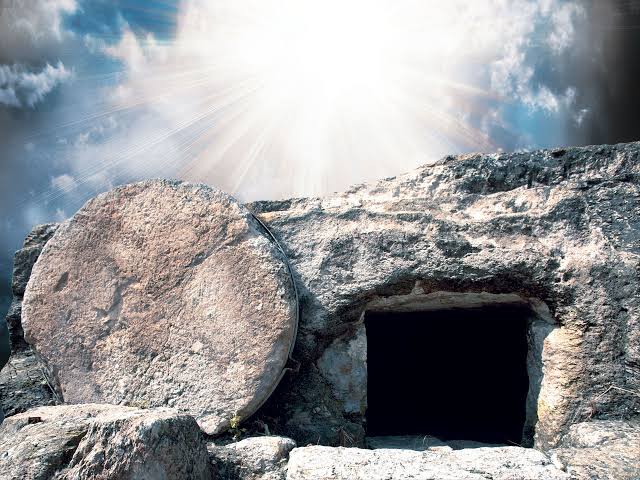
For centuries, skeptics argued that the Church of the Holy Sepulchre was a myth, that the original tomb had been destroyed by Roman Emperor Hadrian to build a pagan temple, or obliterated during medieval conflicts.
The team used an advanced technology called Optically Stimulated Luminescence (OSL) to test the mortar binding the hidden slab. The results were a historical bombshell.
The mortar dated precisely back to 326 CE—the exact year Roman Emperor Constantine the Great supposedly built the first Christian church over the site. Despite centuries of destruction, fires, and rebuilding, the original, ancient tomb had been hidden in plain sight, protected by layers of time and imperial intervention.
Traces of the People Who Were Here
As the layers of time were peeled back, the team didn’t just find stone. They uncovered a deeply personal tapestry of human faith left by the tomb’s ancient guardians:
- Fragments of ancient wooden crosses: Worn down by time, hidden away as secret offerings.
- Centuries-old pottery: Shards that told stories of the ancient builders who breathed the dust of this room.
- Lost coins: Gleaming tokens from different historical eras, dropped by pilgrims and emperors alike, proving the unstoppable pulse of religious activity across millennia.
Why They Resealed It
The discovery proved that this wasn’t just a symbolic building; it was a deliberate, centuries-long effort to shield the most sacred site in Christendom.
But science had to step back for faith. As the 60-hour clock ticked down to its final minutes, the team meticulously recorded every millimeter of the tomb. Then, they slid the heavy marble cover back into place, sealing the ancient limestone shelf once again.
The mystery is now safely locked away in the dark, but for a brief 60 hours, humanity looked directly into the birthplace of a global faith—and found that the stones had kept their secret perfectly.
 Discuss
More news
Discuss
More news