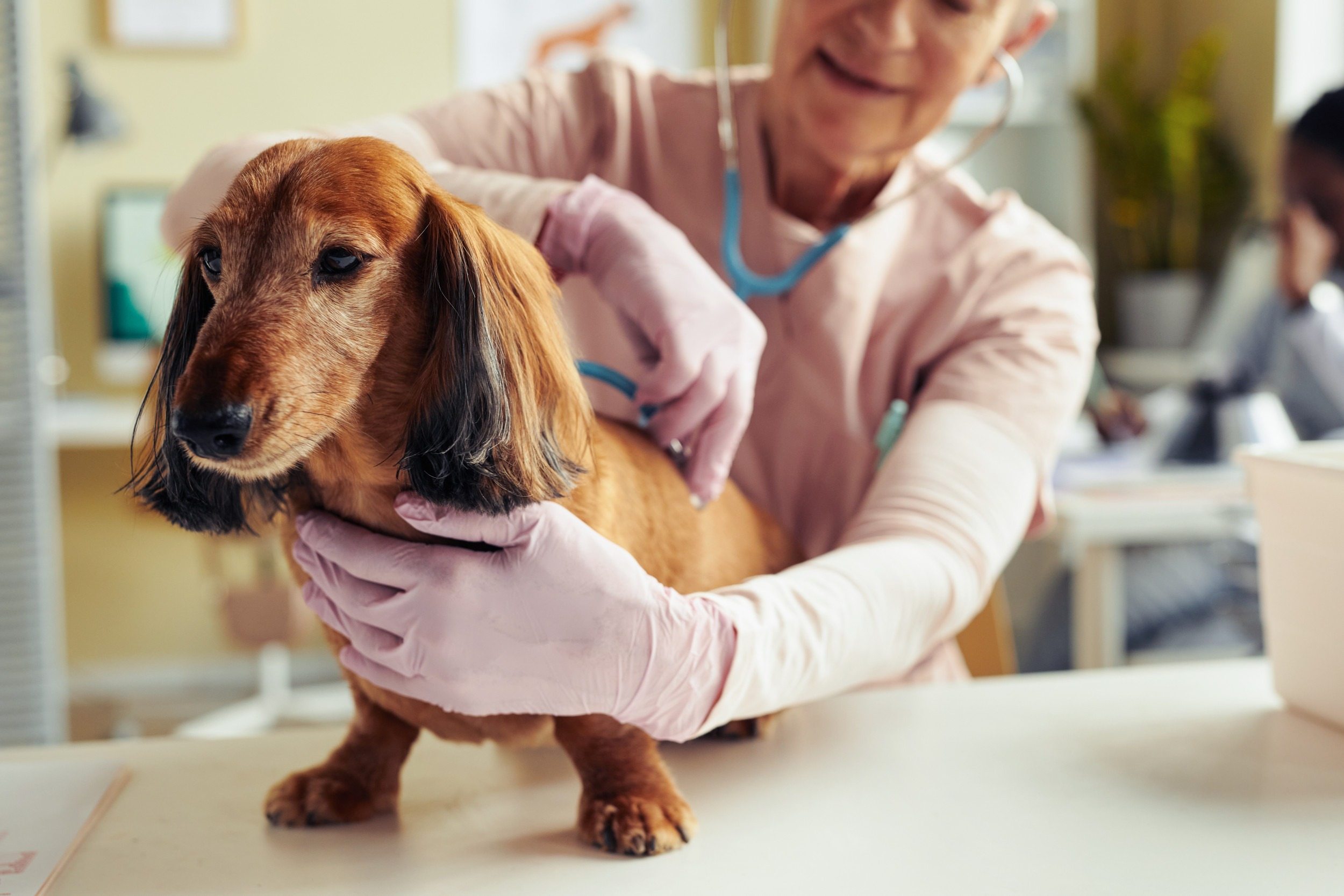
According to veterinary specialists, many dog owners make a common mistake: they dismiss changes in their older pets’ behavior and health as natural aging, even though these changes may actually mask serious illnesses.
According to a study published in the journal Frontiers in Veterinary Science, owners often ignore symptoms that actually require veterinary attention. This delays veterinary visits, which can worsen their pets’ condition and reduce the effectiveness of treatment.
The survey involved approximately 600 dog owners and 300 veterinary specialists in the UK. They were asked about 48 possible signs of deteriorating health in older dogs and how urgently they believed a veterinary visit was needed if they appeared.
Between 85 and 100% of veterinarians noted that it is crucial to take older dogs to the vet for symptoms such as difficulty climbing stairs, jumping problems, digestive issues, hearing and vision impairment, neurological changes, and skin conditions. However, many owners attributed such signs solely to old age and did not consider them a reason to visit a veterinarian. For example, more than half of respondents noticed that their senior dogs were walking more slowly, exhibiting stiffness, or experiencing worsening dental problems, but not all sought professional help.
The study also found that approximately 78% of owners considered decreased activity a normal age-related change rather than a possible symptom of illness. Some survey participants stated that they only consult a veterinarian in cases of obvious illness, and some dogs had not visited a veterinarian in the past year.
Furthermore, only a small proportion of “senior” dogs received preventive examinations, even though such services are available at many veterinary clinics.
Veterinarians recommend examining senior dogs approximately every six months, while owners often consider an annual visit sufficient. Researchers emphasize that differences in perception between owners and veterinarians impact the quality of preventative care and treatment for animals, especially in older animals, when the risk of chronic diseases increases significantly.
In response to these findings, a special program and checklists were developed to help owners better recognize warning signs and seek prompt help. These materials are already being implemented in veterinary practice in the UK.
Experts believe such tools can increase owners’ awareness, improve communication with veterinarians, and ultimately prolong the active, healthy lives of older dogs.
 Discuss
More news
Discuss
More news