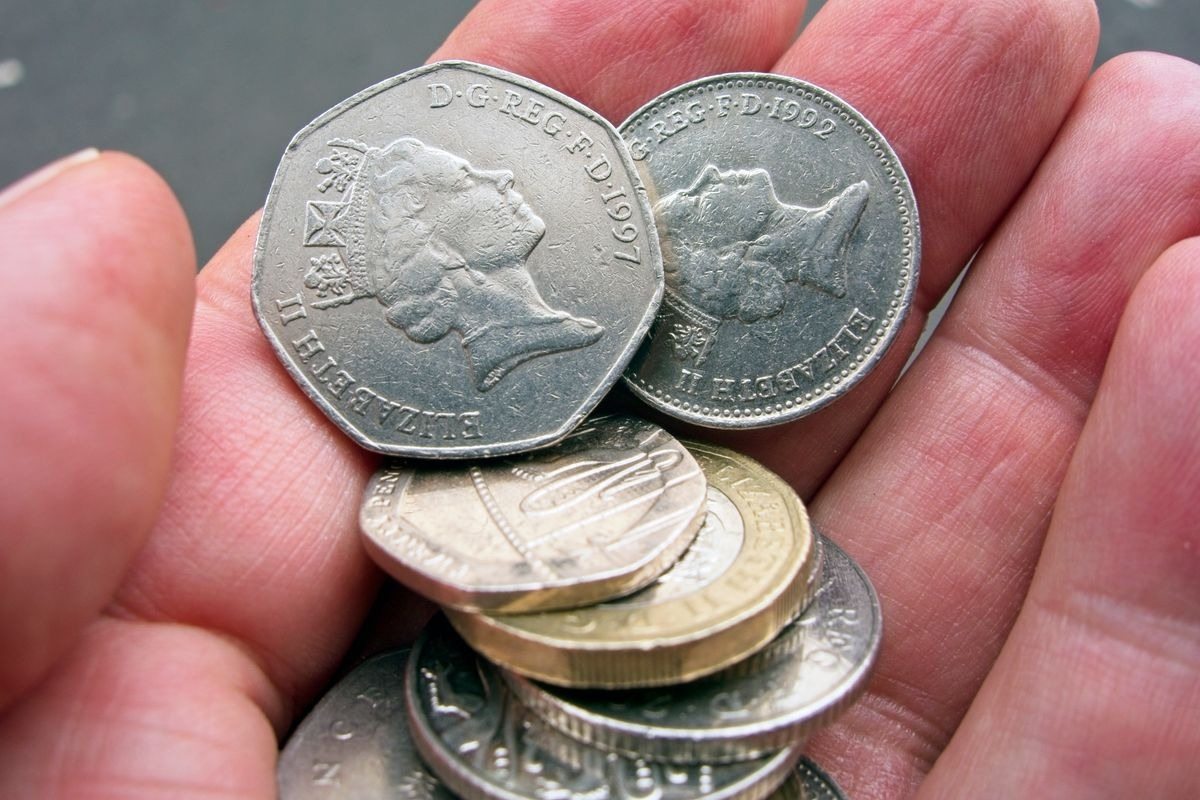
Many people receive change every day and don’t even suspect that among the ordinary coins there might be a true rarity.
Silver half dollars retain a high value.
Half dollars featuring President Kennedy are particularly attractive to collectors. Coins minted between 1965 and 1970 contain 40% silver, making them worth significantly more than their face value. Even more valuable are the 1964 coins, made of an alloy with 90% silver. Coins in excellent condition can sell for hundreds or even thousands of dollars.
Minting errors make ordinary coins rare.
Sometimes, minor manufacturing defects make coins extremely desirable. Among the most famous examples are pennies with doubled elements of the “LIBERTY” inscription. Another famous variety is the 1972 penny, with noticeable duplication of the date and letters. Well-preserved examples of these coins can fetch over a thousand dollars. Unusual quarters are causing a stir among collectors.
The 2004 Wisconsin quarter gained widespread notoriety. Some coins accidentally featured an extra leaf on the corncob. Variants exist with so-called “high” and “low” leaves. Because of this feature, individual coins can fetch hundreds of dollars.
Small details matter.
Collectors scrutinize even the smallest differences. For example, there are coins with a double-earlobe effect in the portrait of Abraham Lincoln, or rare varieties with increased spacing between the letters in the word “AMERICA.” Such features significantly increase numismatist interest and the market value of the coins.
Missing inscriptions make the coins rare.
In 2007, some presidential dollar coins left the mint without the motto “In God We Trust.” These specimens quickly acquired the unofficial nickname “Godless Dollars” and became sought after by collectors. Some coins without a mint mark are also highly valuable.
The rarest coins are worth more than luxury real estate.
Some numismatic rarities sell at auction for exorbitant prices. The 1894-S Barber Dime, known to exist in only a few dozen examples, sold for nearly $2 million. No less legendary is the 1913 Liberty Head nickel, which has sold for over $4.5 million. Individual 1933 gold Double Eagles are valued at nearly $9 million.
The war years produced unique pennies for the world.
During World War II, the United States temporarily switched to producing steel pennies to conserve copper for the war effort. However, a small number of copper blanks were accidentally introduced into production in 1943. Today, only about forty such coins are known, each of which can be worth between $100,000 and $200,000 or more.
Experimental issues have become the stuff of numismatic legends.
Over the years, the U.S. Mint has tested new materials for coin production. One of the most famous experiments was the 1970s aluminum penny experiment. Most of the coins were destroyed, so surviving examples are extremely rare and can be valued at hundreds of thousands of dollars.
 Discuss
More news
Discuss
More news