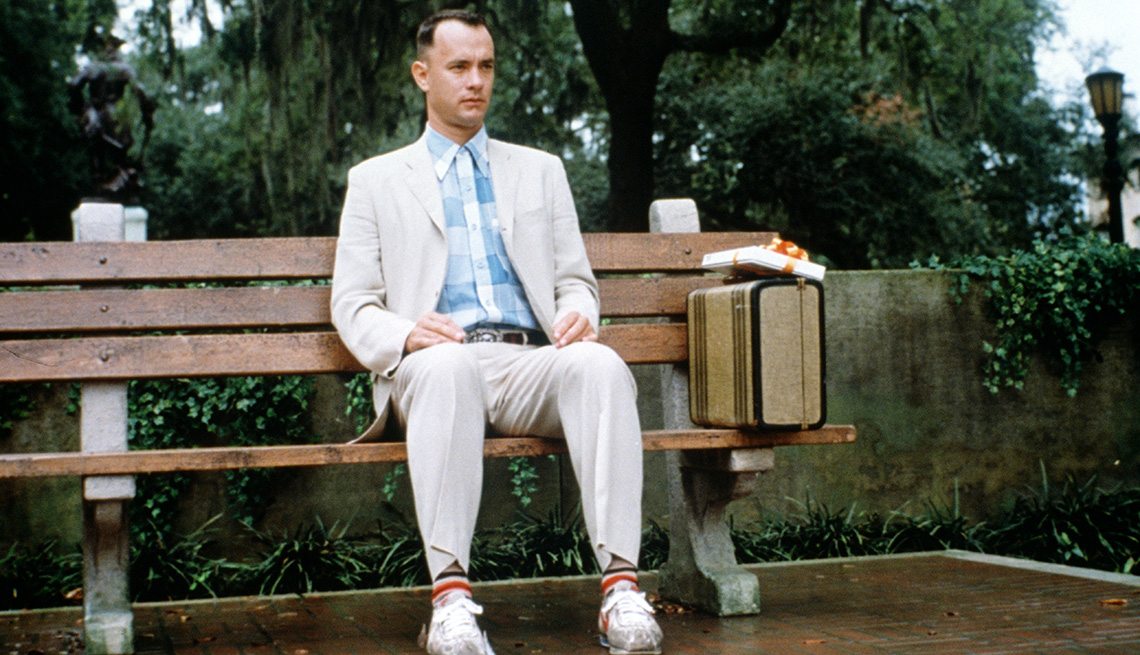
Released in 1994, Forrest Gump quickly became one of Hollywood’s most beloved films. Directed by Robert Zemeckis and adapted from Winston Groom’s novel, the movie starred Tom Hanks in a career-defining performance. Blending humor, drama, and history, it won the hearts of audiences worldwide and became a massive box-office success. Here are some fascinating behind-the-scenes facts that many fans may not know.
Forrest’s Distinctive Voice Wasn’t Planned
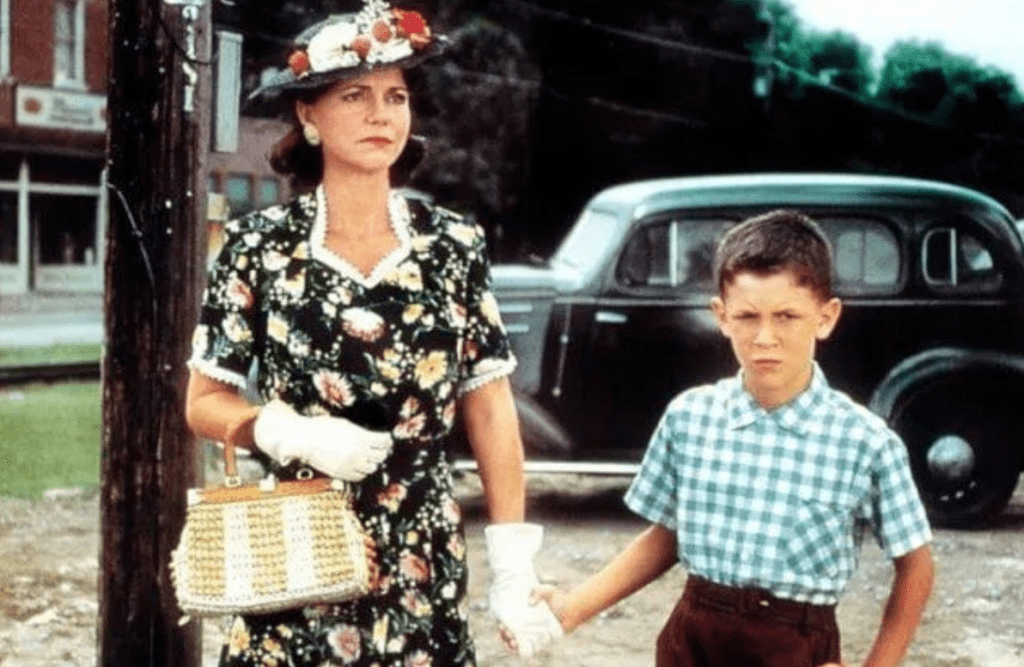
One of Forrest Gump’s most recognizable traits is his unique Southern accent. Interestingly, it wasn’t originally part of the script.
The inspiration came from Michael Conner Humphreys, the young actor who portrayed Forrest as a child. Tom Hanks admired the boy’s natural way of speaking so much that he adopted the same accent for the adult version of the character. Humphreys’ performance earned him widespread praise and several award nominations.
Sally Field Wasn’t Much Older Than Tom Hanks
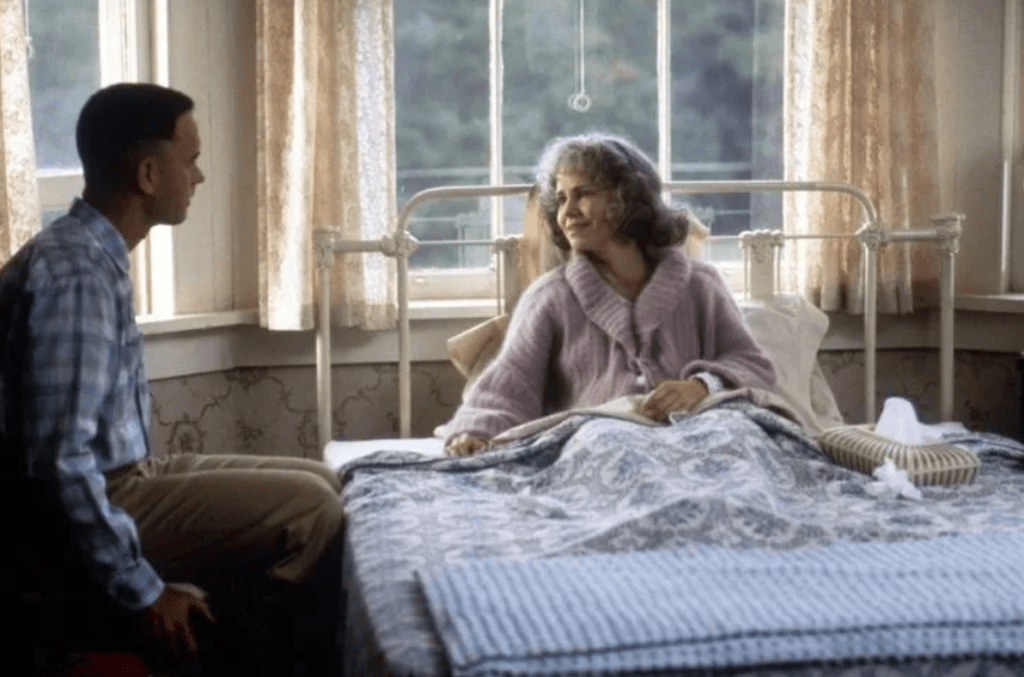
Sally Field delivered a memorable performance as Forrest’s caring mother, even though she was only about ten years older than Tom Hanks in real life.
Thanks to makeup, costume design, and her convincing acting, audiences easily accepted her as Forrest’s aging mother throughout the story.
Tom Hanks’ Brother Stepped In During the Running Scenes
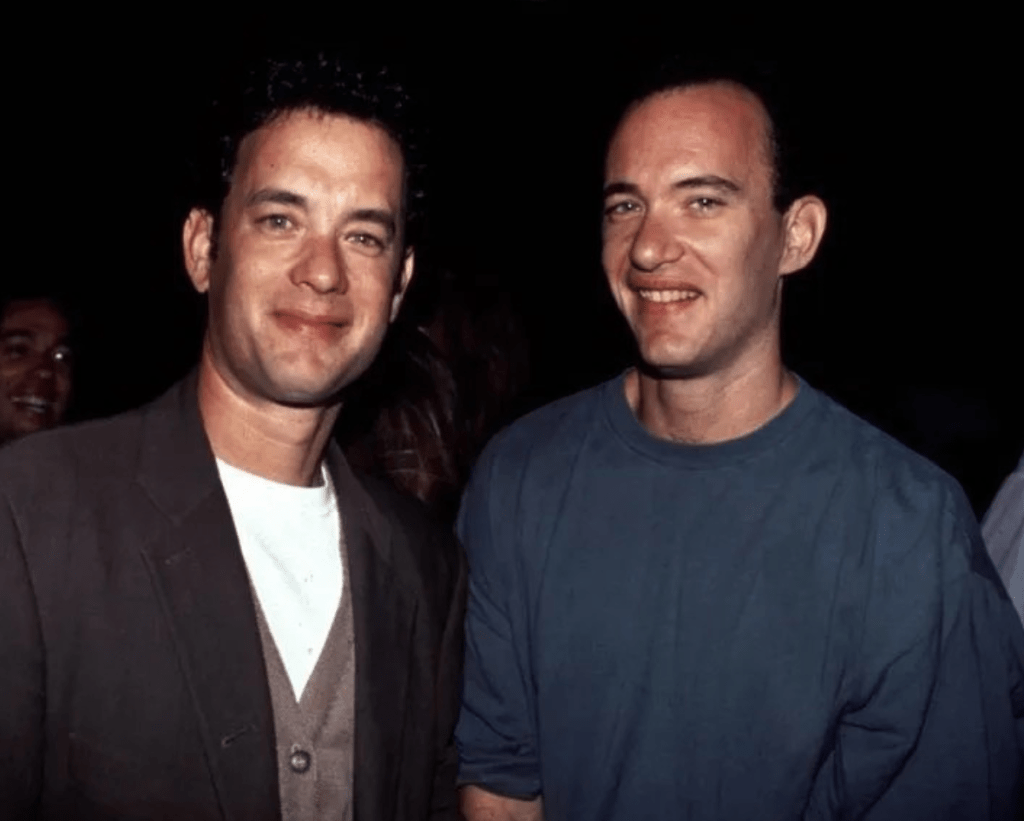
For the famous cross-country running sequences, the production relied on a family member.
Tom Hanks’ younger brother, Jim Hanks, an experienced runner who closely resembled Tom, served as his stand-in during many of the long-distance shots, making it unnecessary to hire another body double.
A Real Cross-Country Runner Inspired Part of Forrest’s Journey
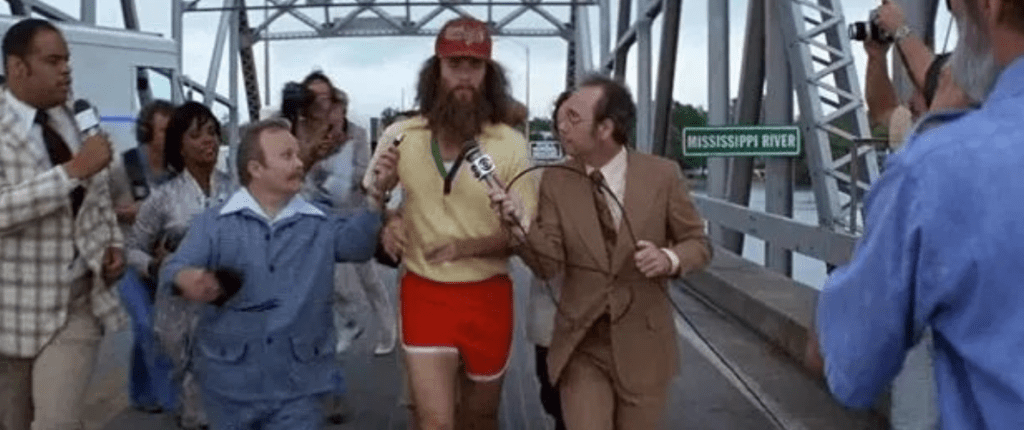
Years before the film was released, teenager Louis Michael Figueroa became famous for running across the United States.
His simple explanation of why he kept running reportedly influenced Forrest’s memorable dialogue about putting “one foot in front of the other” and stopping only to eat or use the bathroom.
The Soundtrack Became Almost as Famous as the Movie
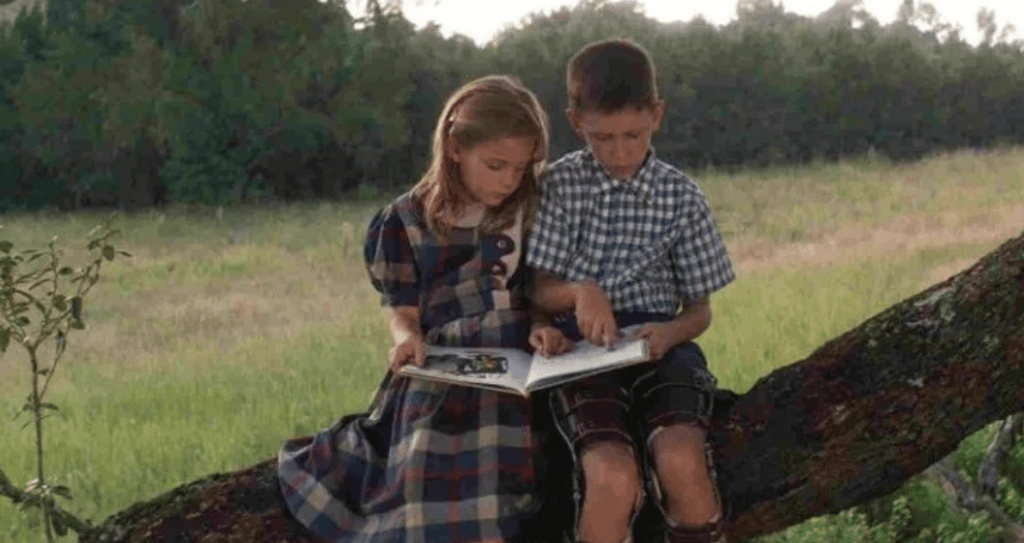
The film featured dozens of classic songs that perfectly reflected different decades of American history.
Tracks by Creedence Clearwater Revival, Buffalo Springfield, Lynyrd Skynyrd, and many other legendary artists helped make the soundtrack a worldwide bestseller, with millions of copies sold over the years.
The Production Nearly Fell Apart
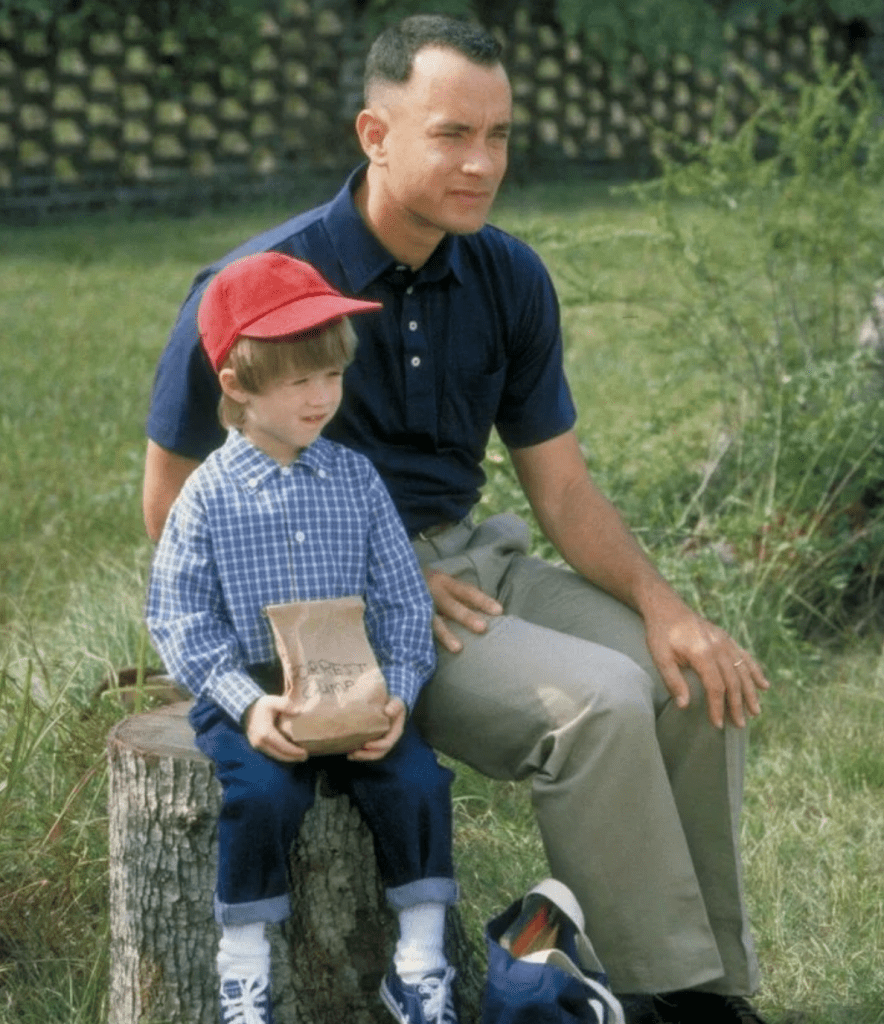
Despite becoming one of the most successful movies ever made, Forrest Gump rarely reached theaters.
Budget problems threatened to shut down production, and at one point the project was reportedly close to being canceled. Tom Hanks agreed to take a percentage of future profits instead of a traditional salary, while Robert Zemeckis also helped keep the project alive financially. The gamble paid off, with Hanks eventually earning tens of millions of dollars from the film’s success.
Lieutenant Dan’s Medal Had a Real History
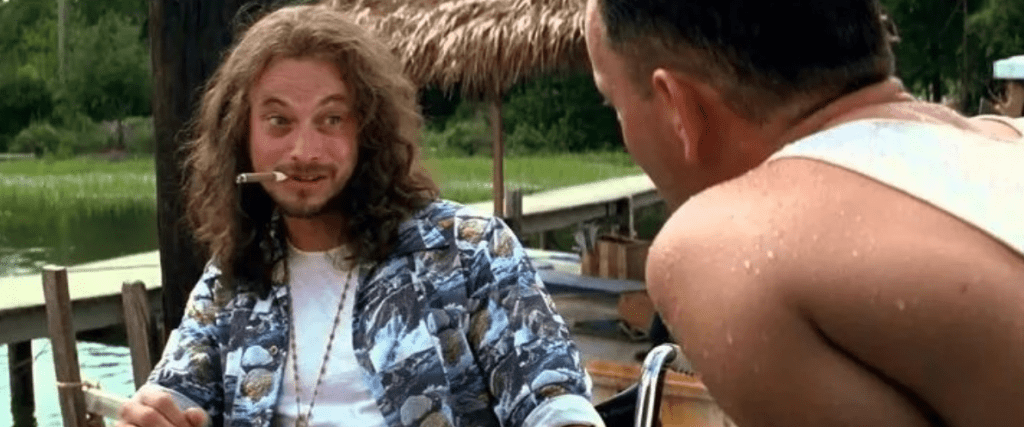
Gary Sinise’s character, Lieutenant Dan, wears a St. Christopher medal engraved with the words “Protect Us in Combat.”
Rather than using a movie prop, the filmmakers chose a genuine medal that belonged to Sinise’s brother-in-law, who had worn it while serving during the Vietnam War, giving the scene added authenticity.
The John Lennon Scene Used Real Television Footage
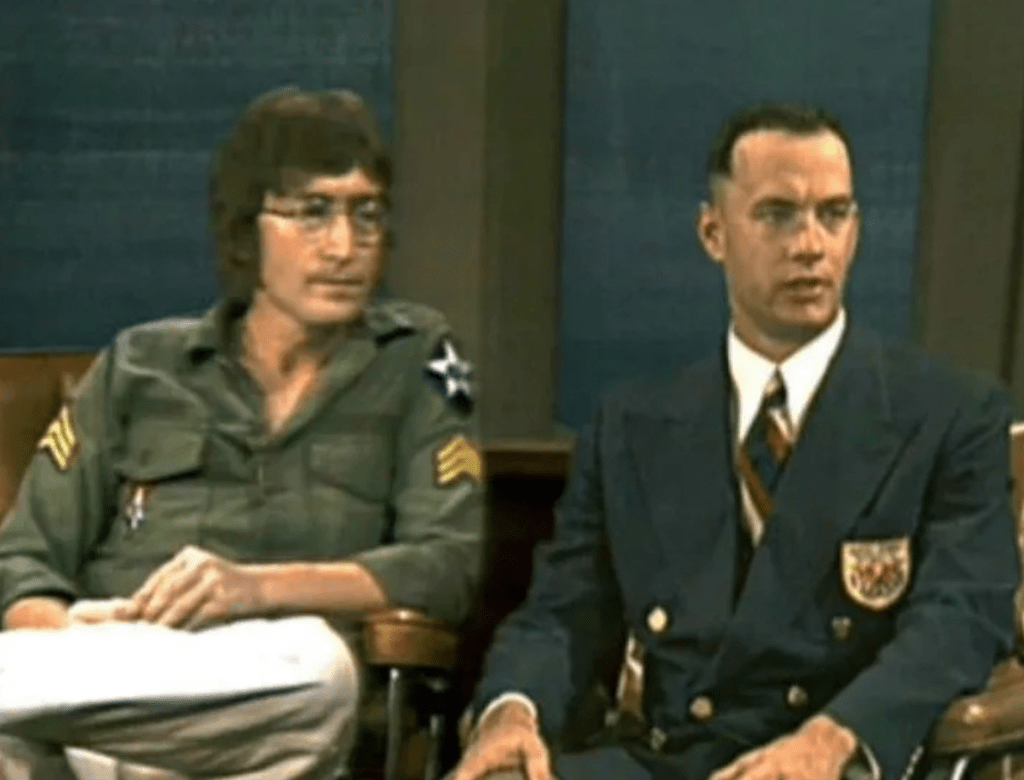
One of the movie’s most impressive visual effects shows Forrest appearing alongside John Lennon.
The filmmakers used authentic footage from The Dick Cavett Show and digitally inserted Tom Hanks into the broadcast. To create the illusion, Yoko Ono was removed from the original footage using visual effects.
A Small Timeline Error Slipped Through
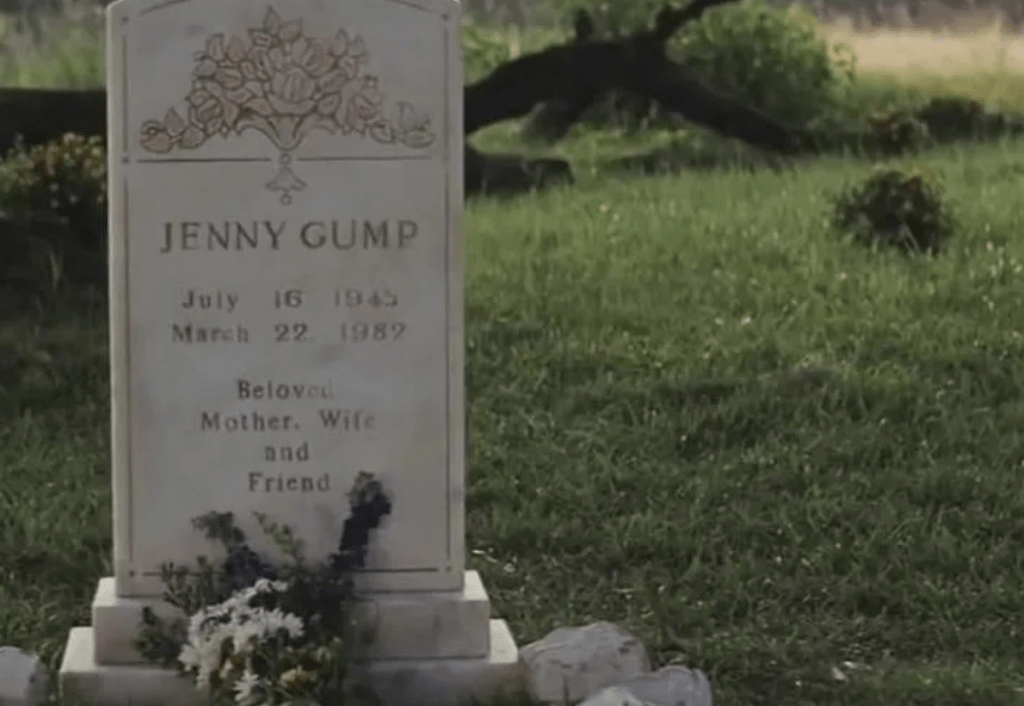
Even a film as carefully made as Forrest Gump contains a few continuity mistakes.
Forrest says Jenny passed away on a Saturday morning. However, the date shown on her gravestone is March 22, 1982—a day that actually fell on a Monday.
The Famous Bench Was Moved for Protection
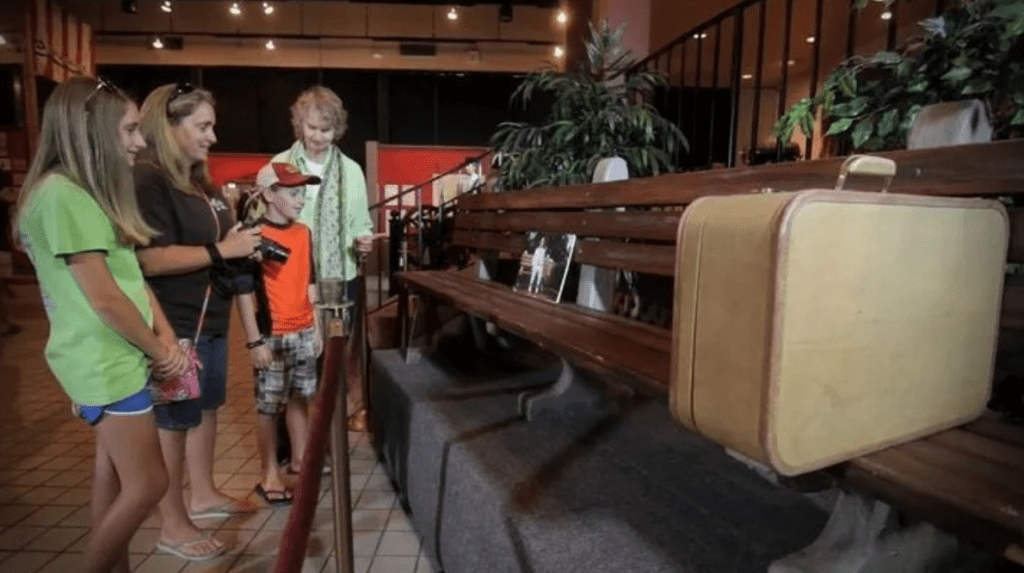
The park bench where Forrest tells his life story became one of cinema’s most recognizable props.
Originally placed in Chippewa Square in Savannah, Georgia, the bench attracted so much attention that local officials decided it was too valuable to leave outdoors. To protect it from weather damage and theft, it was transferred to the Savannah History Museum, where visitors can still see it today.
 Discuss
More news
Discuss
More news