Stories about secret genetic experiments have fascinated people for decades. While many of these tales belong to myths and conspiracy theories, some hybrid animals truly do exist. Whether they are naturally occurring or created through carefully managed breeding programs, these unusual crossbreeds reveal just how closely related certain species really are. Some are astonishing; others look almost comical, but all are remarkable examples of genetics at work.
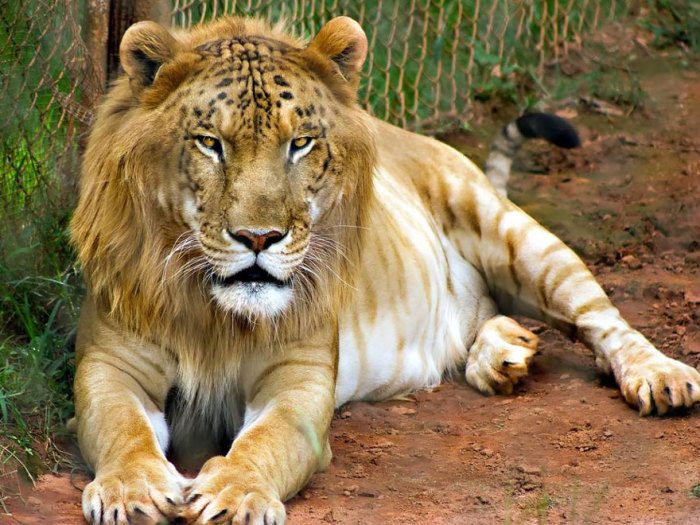
Liger – Lion × Tiger
The liger is produced when a male lion mates with a female tiger. It is the largest member of the cat family because the genes that normally regulate growth do not function the same way in this combination. As a result, ligers often continue growing throughout much of their lives. Unfortunately, their enormous size can lead to serious health complications, as their organs struggle to support their bodies.
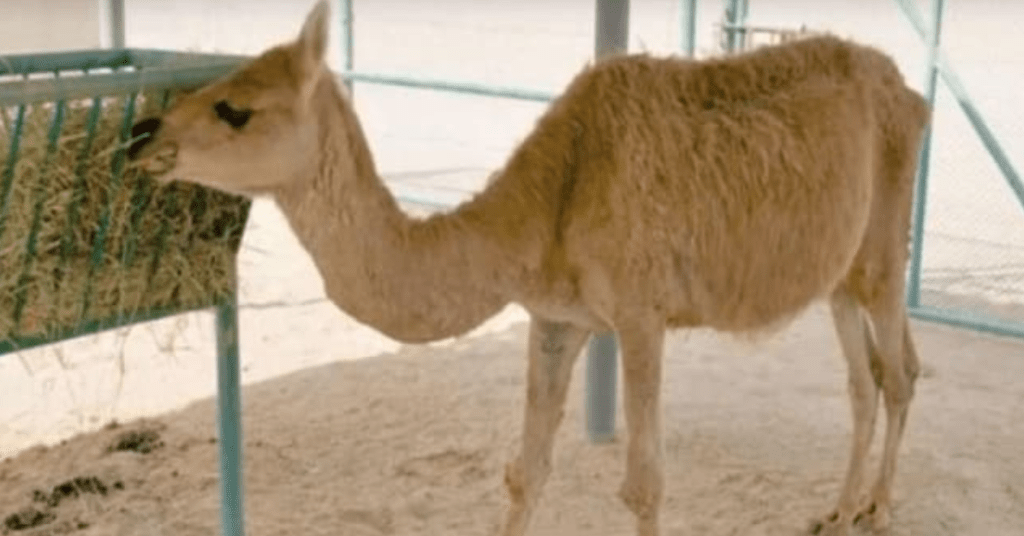
Cama – Camel × Llama
The cama was first developed at the Camel Reproduction Center in Dubai by crossing a one-humped camel with a llama through artificial insemination. Researchers hoped to combine the camel’s strength with the llama’s soft wool and calmer temperament. Since male camels are much larger than female llamas, natural breeding is not possible.
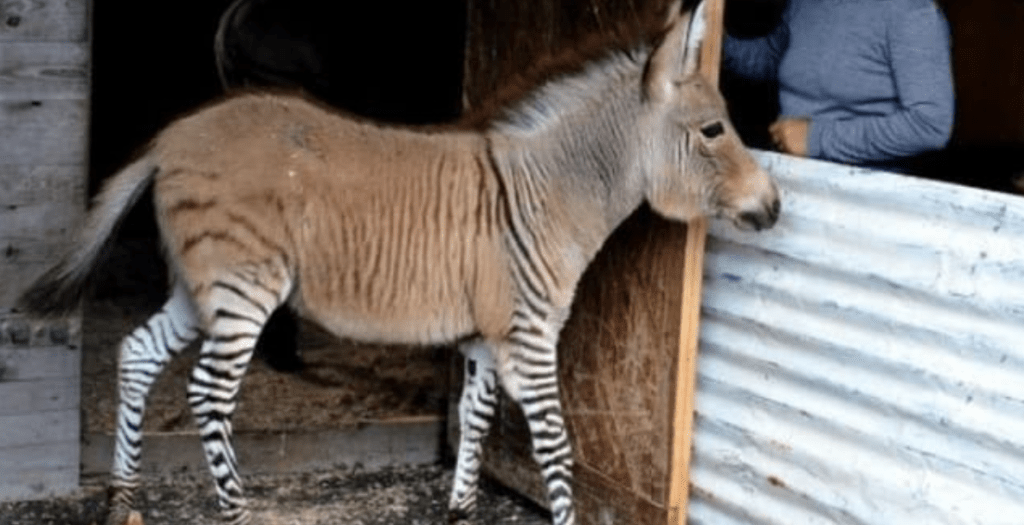
Zonkey – Zebra × Donkey
A zonkey is the rare offspring of a zebra and a donkey. Although these animals belong to the same equine family, successful breeding is uncommon. Hybrids often inherit zebra stripes together with the donkey’s body shape. However, developmental problems such as dwarfism may occur because of differences in the parents’ genetic makeup.
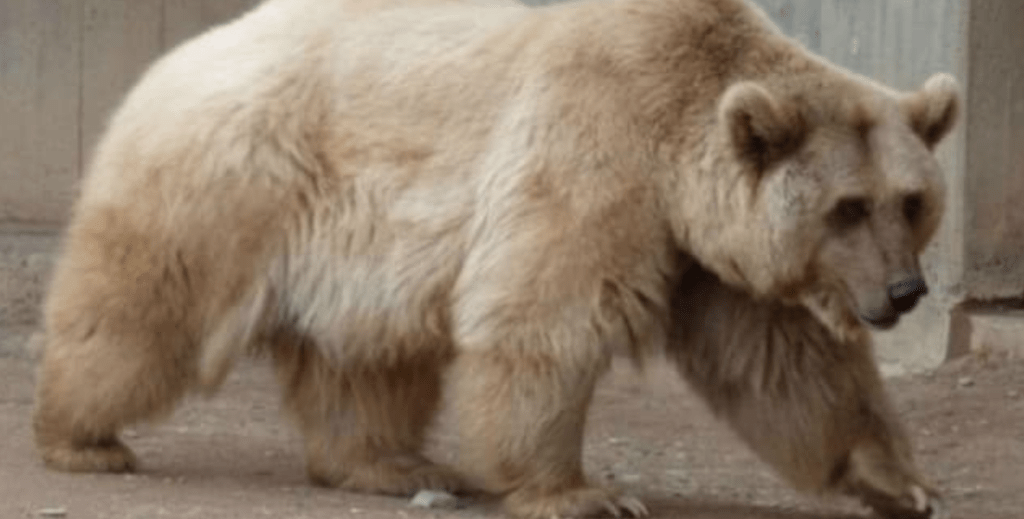
Grolar Bear – Grizzly × Polar Bear
Also called a pizzly bear, the grolar bear combines traits from both the grizzly and the polar bear. Most examples have been observed in captivity, although a few have appeared in the wild. As Arctic ice continues to shrink due to climate change, the habitats of these two bear species increasingly overlap, making natural hybridization more likely.
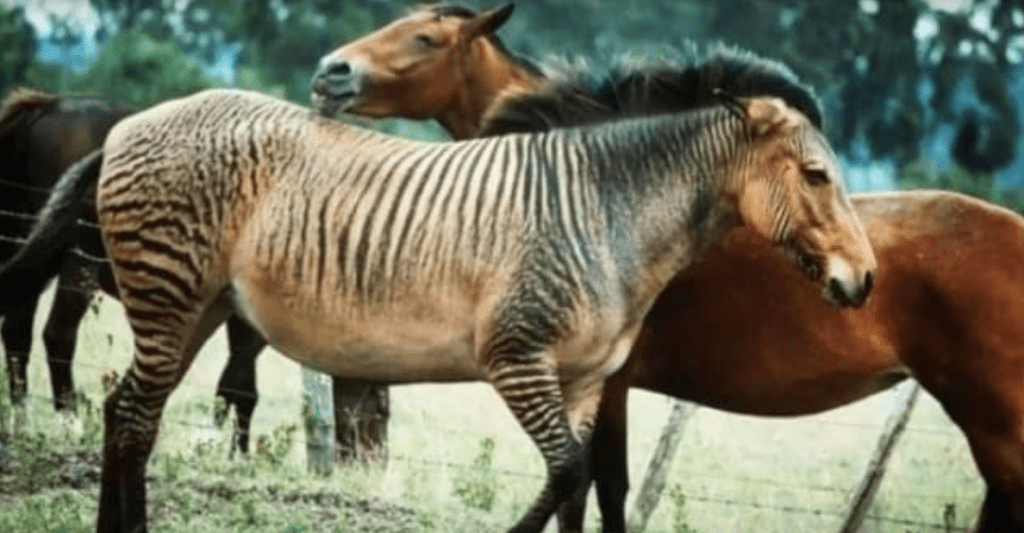
Zorse – Zebra × Horse
A zorse is created by breeding a zebra with a horse. Since horses are less closely related to zebras than donkeys are, successful crosses are less common. Zorses typically inherit the Horse’s body while displaying zebra-like stripes on parts of their coat. Some individuals also develop unusual spotted patterns.
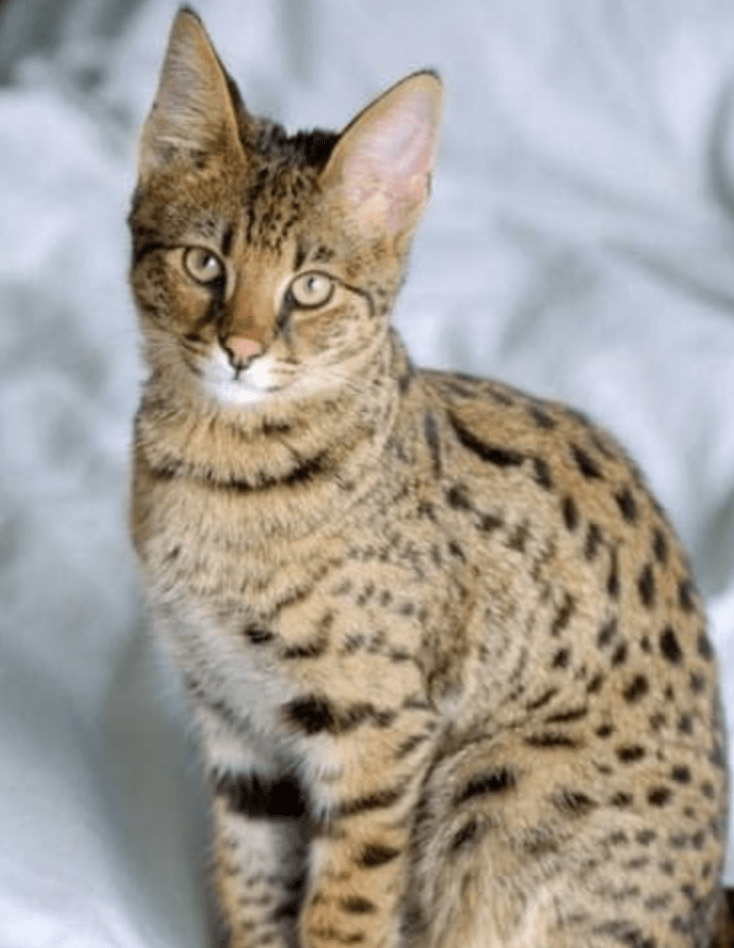
Savannah Cat – Domestic Cat × Serval
The Savannah cat is a hybrid between a domestic cat and the African Serval. It combines the elegant appearance of its wild ancestor with a somewhat more manageable temperament. Even so, Savannah cats remain highly energetic, intelligent, and independent. Although many are kept as pets, they still retain strong wild instincts compared with ordinary house cats.
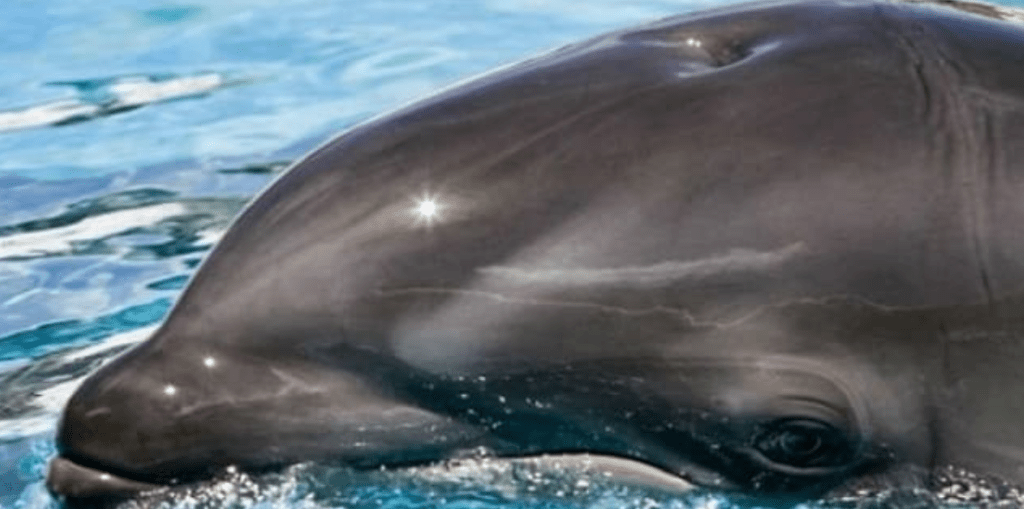
Wholphin – False Killer Whale × Bottlenose Dolphin
The wholphin is one of the rarest marine hybrids ever recorded. Despite its name, it is not a whale-and-dolphin mix in the traditional sense because the false killer whale actually belongs to the dolphin family. Only a handful of confirmed individuals have ever existed, making this one of the world’s most unusual hybrid animals.
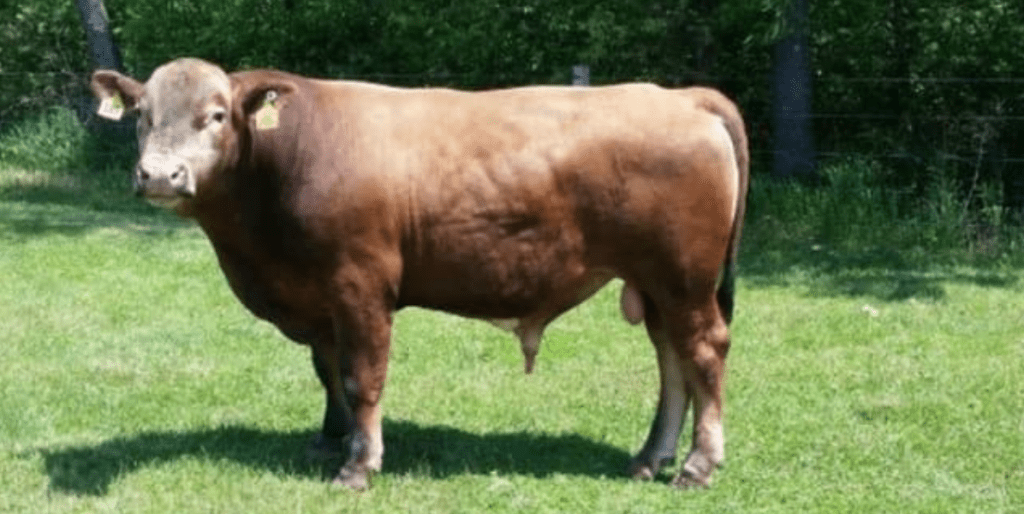
Beefalo – Domestic Cattle × American Bison
The beefalo is a cross between domestic cattle and the American bison. Unlike many hybrids, this one was intentionally developed for agriculture to combine the hardiness of bison with the qualities of cattle. Wild hybrid populations also exist in parts of North America, where they can have significant environmental impacts.
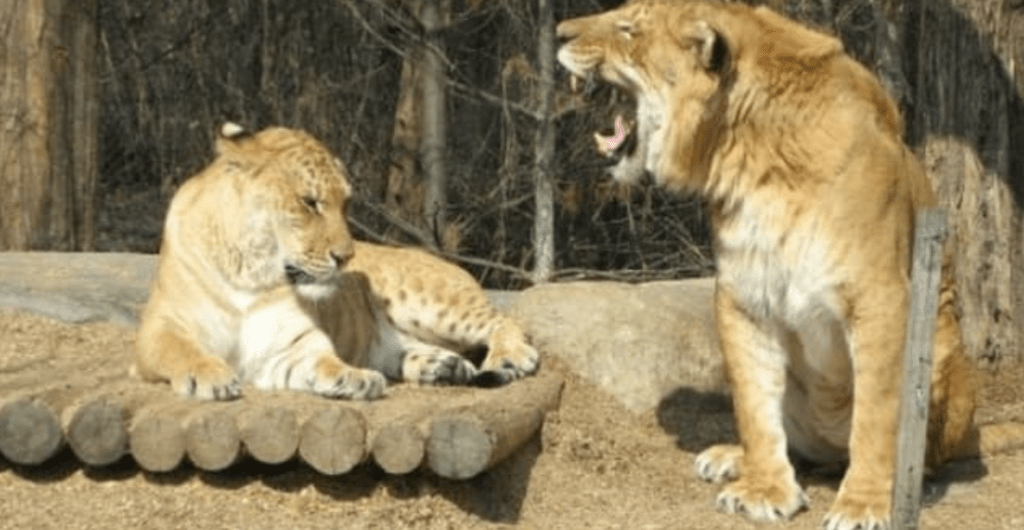
Tigon – Tiger × Lion
A tigon is produced when a male tiger mates with a female lion. Unlike ligers, tigons usually inherit genes that regulate growth more effectively, preventing them from becoming excessively large. They are generally smaller than ligers and often experience fewer health issues related to their size.
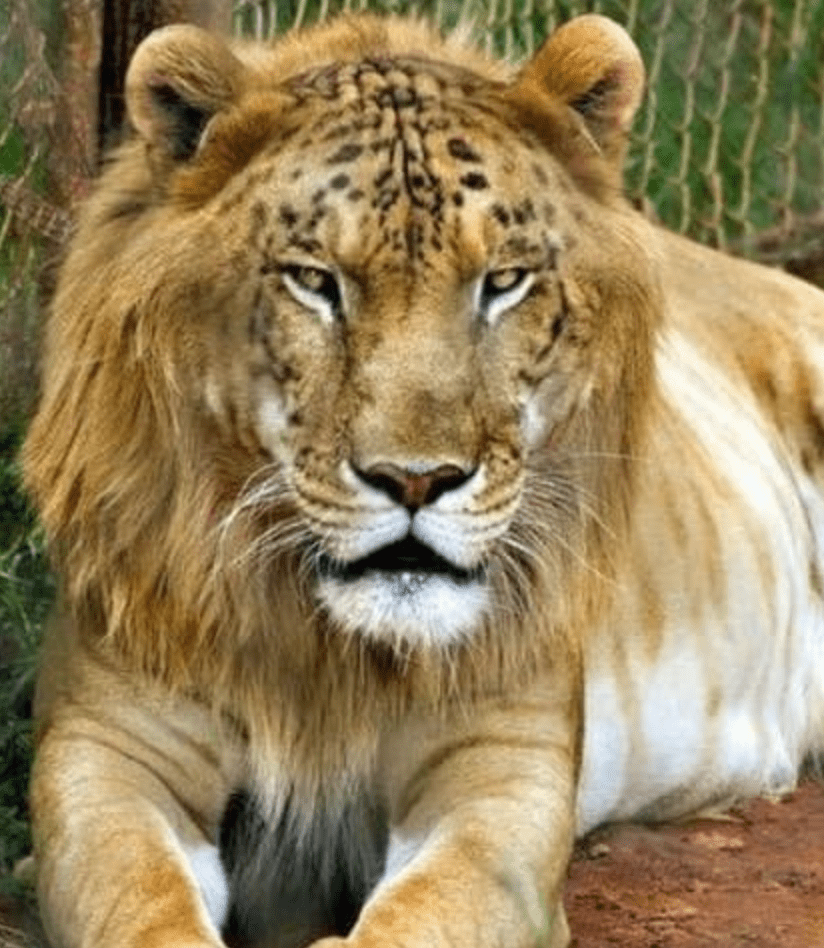
Jaglion – Jaguar × Lion
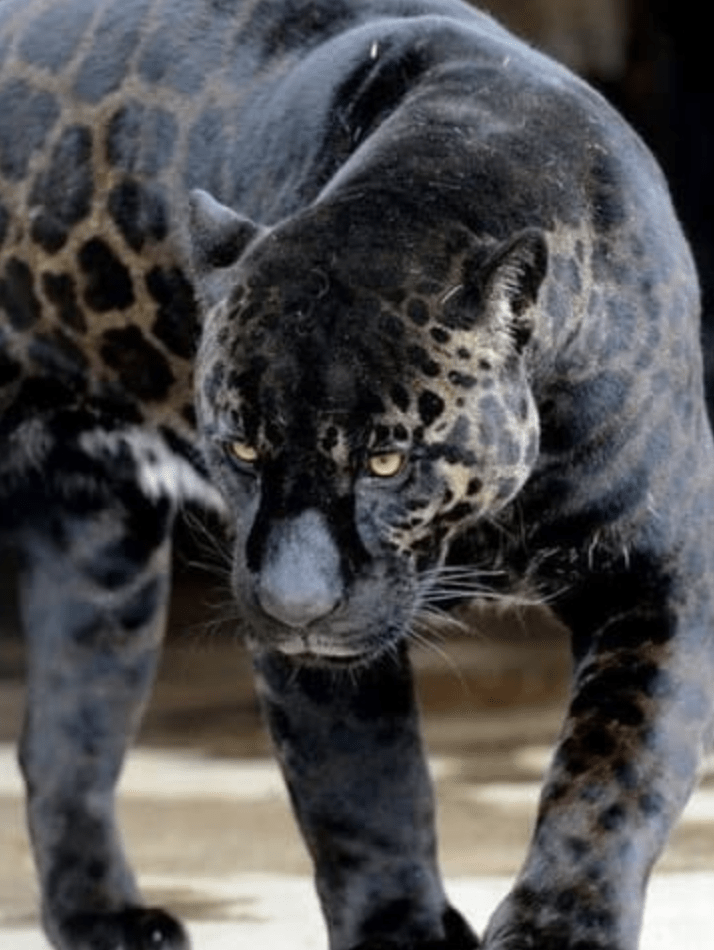
The jaglion is an exceptionally rare hybrid resulting from a jaguar and a lion. One of the best-known cases occurred at Bear Creek Sanctuary, where two cubs named Jazhara and Tsunami were born unexpectedly. These hybrids display a fascinating blend of characteristics, sometimes resembling leopards more than either of their parents, making them among the most striking members of the cat family.
 Discuss
More news
Discuss
More news