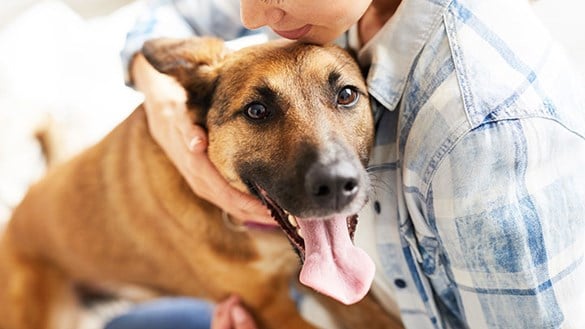
Your dog still happily grabs the leash, greets you with pleasure at the door, eats heartily, and reacts loudly to every suspicious sound. It seems time has no hold on him.
But after about seven years, a dog’s body begins to change gradually. In the morning, your pet may rise a little more slowly, rest longer after a walk, sleep more, or become more cautious in their movements. These changes often occur so gradually that the owner only notices them when age begins to take its toll.
Therefore, evening is an excellent time for a short at-home ritual lasting just a few minutes. It doesn’t replace a veterinary examination, but it helps maintain your pet’s comfort and promptly notice any alarming changes.
1. A few minutes for an examination and a light massage
When your dog is lying down to rest, gently stroke its back from neck to tail. Then gently run your hands over the shoulders, hips, and legs.
Avoid applying strong pressure or vigorously kneading the joints. The main goal is to relax your pet and simultaneously check its condition. Pay attention to any signs of pain, swelling, an unusual lump, or an area your dog has previously avoided. If your pet suddenly withdraws, whines, or becomes aggressive when touched, stop massaging and consult a veterinarian.
2. Teeth and Water Bowl
Oral health is directly related to your dog’s overall well-being. Plaque, tartar, inflamed gums, and bad breath are not normal signs of aging.
Before bed, gently lift your dog’s lip to check for redness or other changes. For preventative care, use special dental care products suitable for dogs.
Also, check the water. An older pet should have fresh water available at all times. If the bowl is far from the dog bed, place an extra one near the dog’s resting area.
3. Calm Before Bed
Older dogs can become more anxious and sometimes have difficulty sleeping at night. Therefore, it’s helpful to create a predictable evening routine. Before bed, talk calmly to your pet for a few minutes, pet them, and give them a favorite toy or their usual blanket. A consistent routine helps the dog understand that the day is over and it’s time for rest.
If your older dog has started wandering around the house at night, waking up frequently, whining, or appearing confused, don’t automatically attribute it to old age. Such behavior may have a medical cause, so consulting a specialist is a wise decision.
Check your pet’s sleeping area.
A comfortable bed is especially important for an older dog. It should provide good support and not sag under the dog’s weight.
The flooring around it is equally important. A slippery surface can be a real problem for a dog that has difficulty standing up confidently after sleep. It’s best to lay down a non-slip mat.
Seven years doesn’t mean a dog suddenly becomes old. Much depends on the size, breed, and individual characteristics of the animal.
But it’s precisely with age that regular attention becomes especially important. A few minutes in the evening allows you to notice changes in movement, appetite, behavior, dental health, or skin condition before a problem becomes obvious.
And most importantly, for a dog, this isn’t just a checkup.
It’s a few minutes with a person they trust.
 Discuss
More news
Discuss
More news