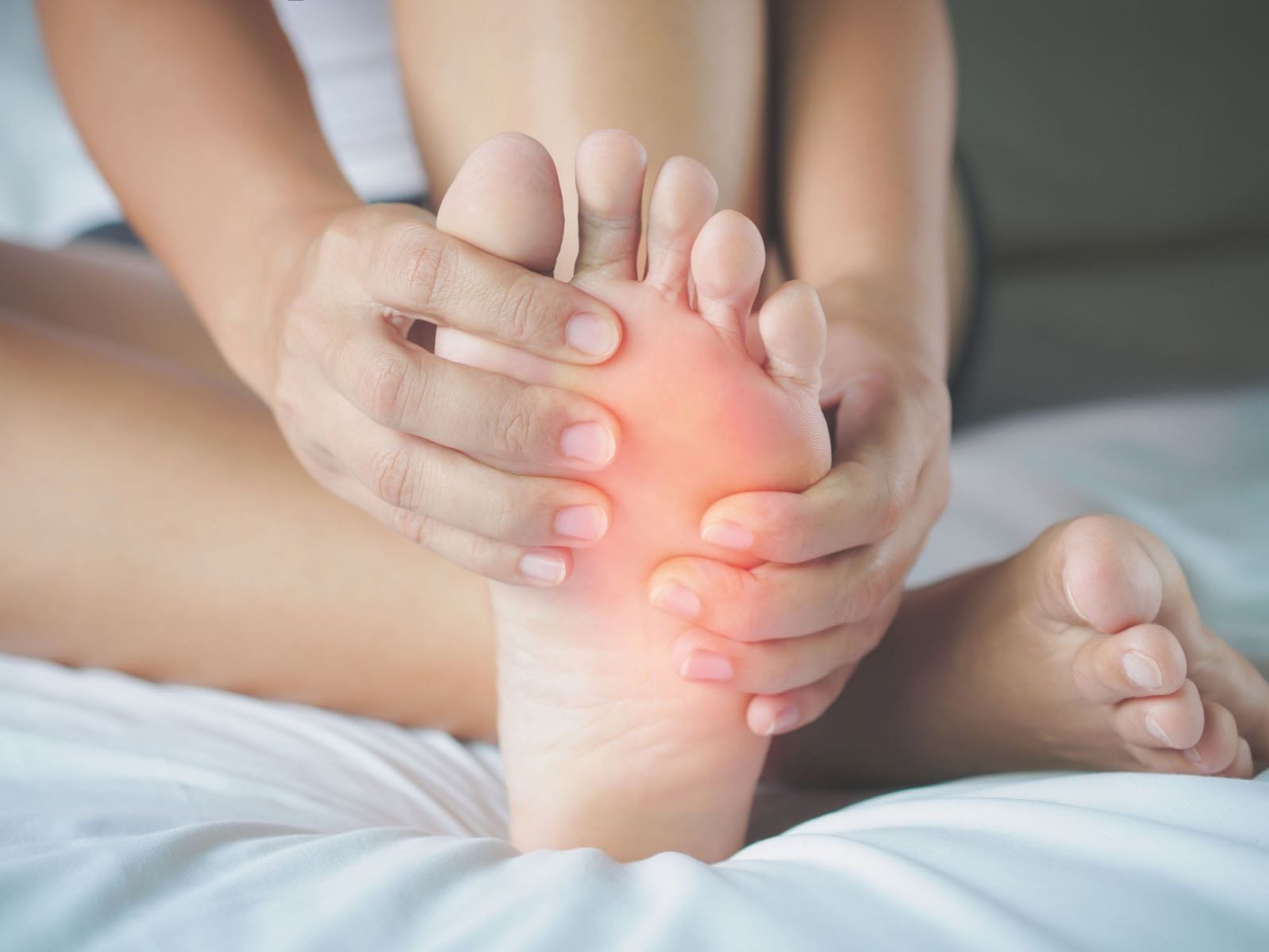
Swelling of the feet and ankles is a common problem that can occur for a variety of reasons. Sometimes, simple home remedies are enough to reduce discomfort and speed up the removal of excess fluid from the tissues. However, in some cases, swelling may be related to medical conditions and require medical attention.
Why do feet swell?
The most common causes include:
- standing for long periods;
- uncomfortable or tight shoes;
- pregnancy;
- excess salt in the diet;
- circulatory problems;
- certain chronic conditions.
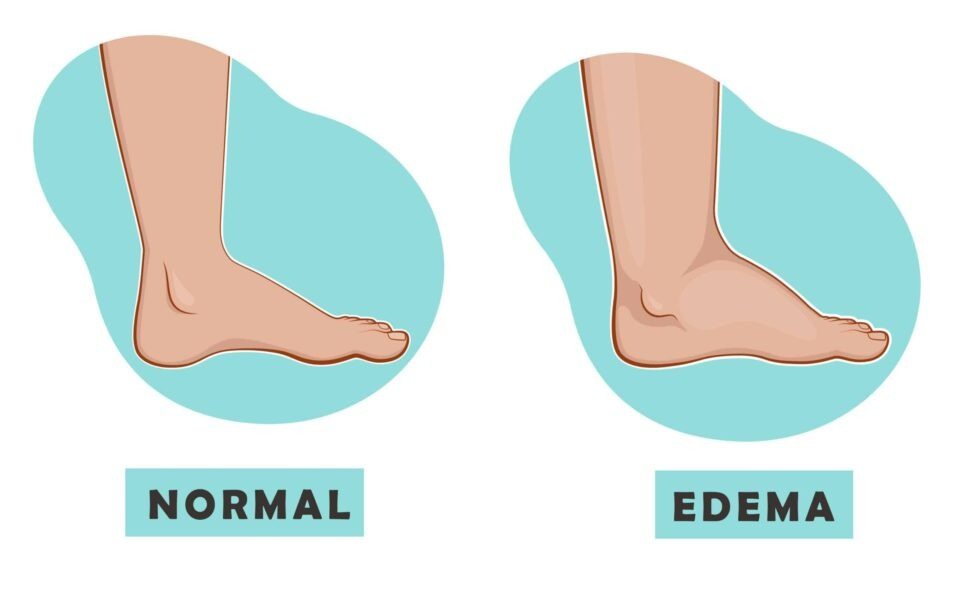
Fluid accumulation in the tissues is called edema. In many cases, it resolves on its own, but there are ways to help the body cope with this problem more quickly.
1. Maintain adequate fluid intake
Dehydration causes the body to retain fluid, which can increase swelling. Try to drink water, natural juices, broth, or smoothies regularly. It’s best to limit alcohol and drinks with high caffeine content, as they can contribute to dehydration. 2. Use compression stockings or knee-highs
Compression hosiery helps improve venous return and reduce fluid retention in the legs. It is especially beneficial for people with venous insufficiency or lymphedema.
However, such products may be contraindicated for those with peripheral arterial disease.
3. Take cool baths with Epsom salts
Some people report reduced swelling after baths with Epsom salts (magnesium sulfate). These treatments are believed to help relax muscles and reduce inflammation.
4. Elevate your legs above heart level
When resting or sleeping, try elevating your legs on a pillow or bolster. This position facilitates fluid drainage and reduces the strain on the cardiovascular system.
5. Move more
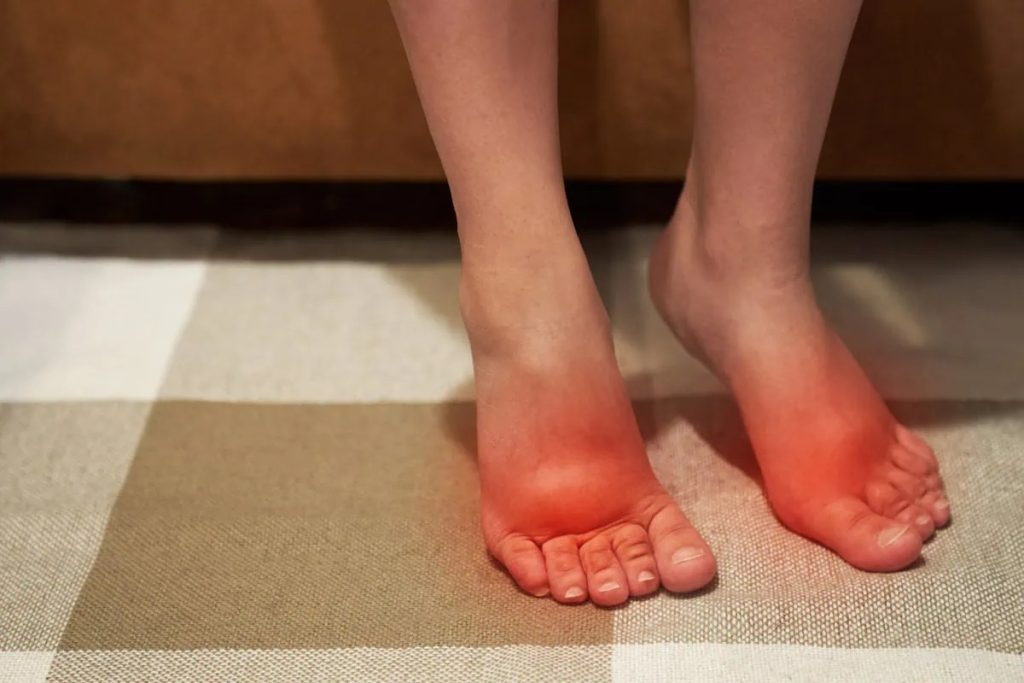
Prolonged sitting or standing impairs circulation and contributes to edema. It’s helpful to take short walks every hour, move your feet and ankles, and periodically change your body position.
6. Monitor your magnesium levels
A magnesium deficiency can sometimes lead to fluid retention. Include foods rich in this mineral in your diet:
- almonds;
- cashews;
- spinach;
- potatoes;
- brown rice.
7. Reduce your salt intake
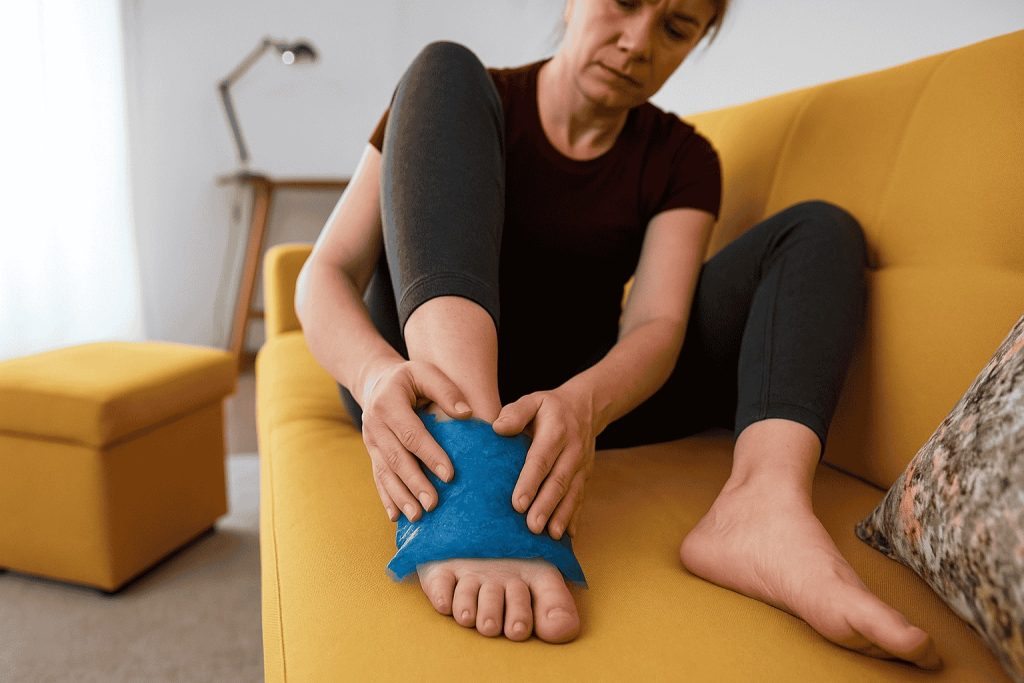
Excess sodium promotes water retention in tissues. To reduce swelling, limit your intake of salty snacks, processed foods, and convenience foods.
8. Monitor your weight
Excess weight puts additional strain on the blood vessels and joints of the lower extremities, impairing circulation. Gradually losing weight helps reduce swelling and make walking easier.

9. Massage your feet
A gentle massage from your feet toward your heart improves lymph flow and blood circulation. This procedure can reduce fluid retention and simultaneously relieve leg fatigue.
10. Increase your potassium intake
Potassium helps the body maintain fluid balance and reduces the negative effects of excess sodium. Sources of potassium include:
- bananas;
- dried apricots;
- lentils;
- beans;
- potatoes;
- pumpkin;
- orange juice.
If home remedies don’t help, swelling persists, occurs in only one leg, or is accompanied by additional symptoms (pain, redness, shortness of breath), seek medical attention as soon as possible.
 Discuss
More news
Discuss
More news