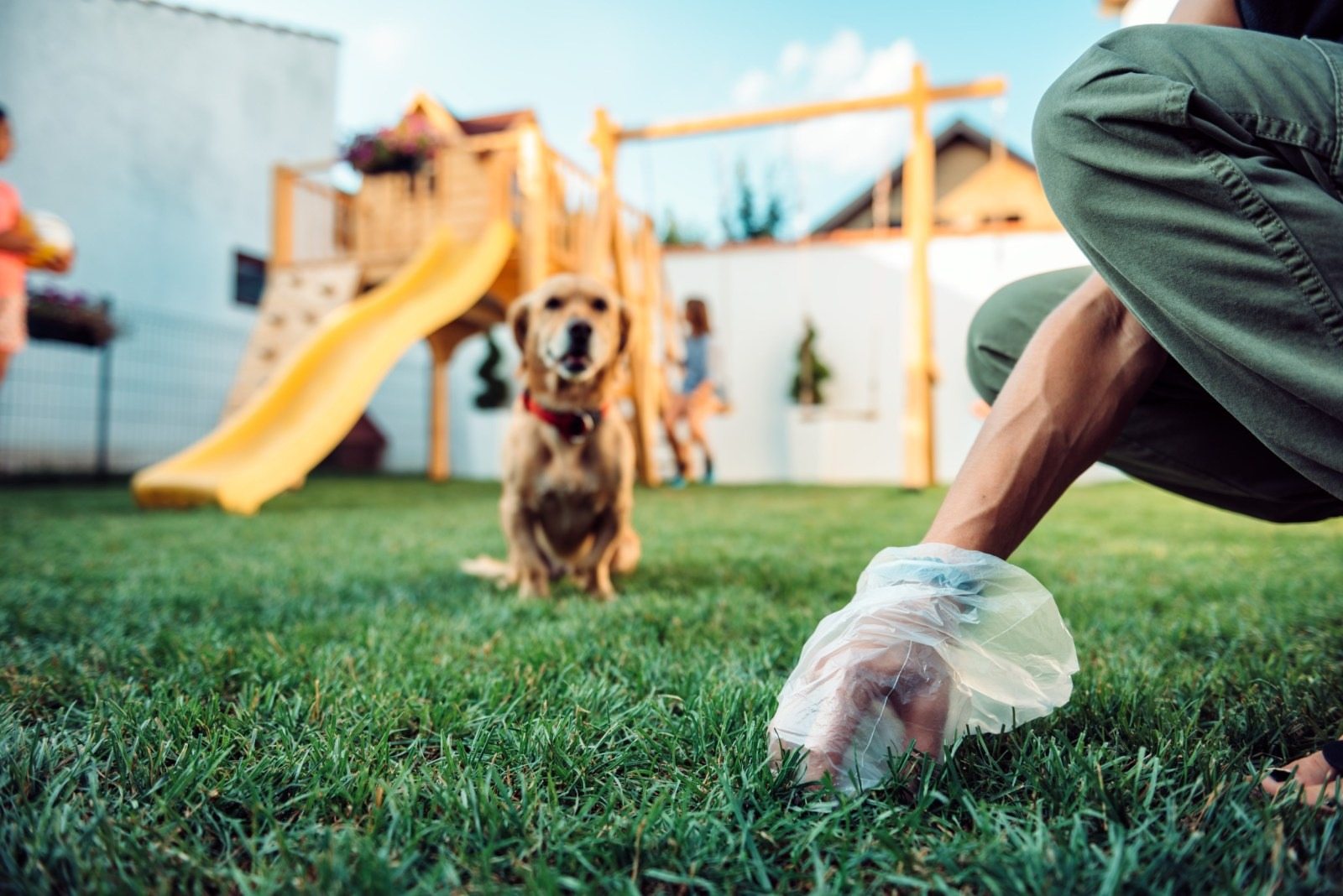
When Walter Briggs stepped out onto his porch early one morning with his cup of coffee, he immediately noticed a familiar sight. Right in the middle of the recently restored lawn lay a fresh trail from yet another visit from his neighbors’ dogs.
Then Walter knew he had run out of patience.
Walter lived in the house on Clover Lane for over three decades. After retiring, he devoted himself to the property and was especially proud of his lawn.
After the death of his wife, Dorothy, the house remained a quiet refuge for Walter.
Problems began when new residents moved into the neighborhood. The Peterson family acquired a large golden retriever. The Nguyen family had two boisterous terriers. And the Garcias had a slow but very noticeable bulldog.
The new neighbors were often distracted by their phones during walks, allowing their dogs to roam freely onto each other’s property.
At first, he tried to resolve the issue peacefully, but nothing changed.
Walter spent several days thinking about it. Soon, the idea took shape. It didn’t involve conflict, animal harm, or quarrels with neighbors. But it was meant to make people think.
To implement the plan, he needed his neighbor, Mrs. Chen’s, help.
Twelve-year-old Danny, who worked part-time mowing lawns, also joined the effort. He was entrusted with the important task of photographing the activity.
For several weeks, Walter recorded every violation.
Saturday arrived.
In the morning, a municipal representative named Hadley arrived. Walter had previously described the problem in detail and asked for outreach. A local newspaper reporter arrived at the same time, interested in the story of responsible neighborly behavior.
The central element of the plan was a large photo board. It neatly displayed photos of dogs and their owners when the animals were on Walter’s property. Each photo was accompanied by the date and caption. That same day, dog owners received official warnings and copies of local pet regulations.
A few days later, the local newspaper published a story about the situation. The families’ names weren’t mentioned, but the article reminded residents of the importance of respecting others’ property. A photo of Walter’s well-kept lawn was posted alongside.
After that, the atmosphere on Clover Lane changed.
With the arrival of spring, the lawn was completely restored. It was once again smooth, thick, and vibrantly green. Every morning, the owner would step out onto the porch with a cup of coffee and calmly admire the results of his labor.
He never considered himself a vindictive person. It’s just that after thirty-one years of tending to his property, he had found a way to remind others of a simple thing: respect for the work of others begins with taking responsibility for your own actions.
 Discuss
More news
Discuss
More news