Tinnitus is a sensation of ringing, buzzing, humming, or whistling in the ears without an external sound source. This condition can significantly impair a person’s quality of life. Symptoms range in intensity from barely noticeable to persistent and intrusive.
According to the American Tinnitus Association, tens of millions of people experience this condition, and several million experience it chronically.
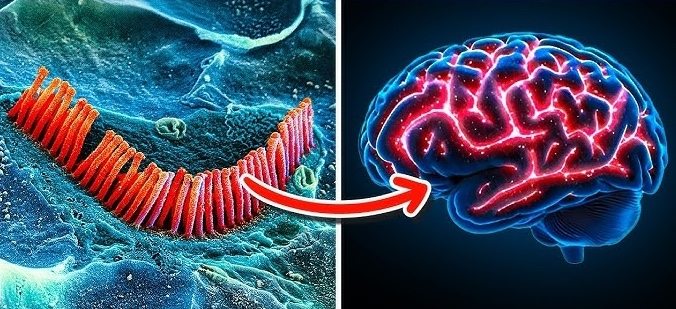
Experts note that tinnitus is most often associated with hearing loss. When sound waves enter the ear, they are converted by hair cells in the inner ear into electrical signals, which are then transmitted to the brain. If these cells are damaged (for example, by loud noise, aging, or medications), normal signal transmission is disrupted, which can lead to the perception of a “phantom” sound.
Treatment in some cases may include medications, such as steroids, as well as psychotherapy. Cognitive behavioral therapy helps patients reduce anxiety and change their perception of the symptom, making it less distressing. Sleep patterns, physical activity, and stress reduction also play an important role.
Assistive treatments include hearing aids, noise-masking devices, and, in severe cases, cochlear implants.
Recent research, including studies from Harvard Medical School and Massachusetts Eye and Ear, suggests that tinnitus is associated not only with auditory nerve dysfunction but also with increased activity in certain brain regions, including the brainstem.
Interestingly, in some patients, hearing tests may show normal results despite symptoms. Scientists explain this by the brain’s ability to “compensate” for the loss of the auditory signal by creating an illusory perception of sound—similar to phantom pain experienced by people who have lost a limb. Tinnitus can be associated with a variety of conditions and factors, including:
- head injuries and neurological disorders
- cardiovascular disease
- ear or sinus infections
- inner ear disorders
- hormonal changes
- thyroid disease
- medication side effects
- circulatory problems
- aging
- stress and anxiety
Even simple earwax or temporary pressure in the ears can also be a cause.
Loud noises, fatigue, stress, or certain medical conditions can aggravate symptoms. The sound can vary, including ringing, hissing, humming, clicking, or pulsating.
There is no universal treatment yet, but many patients report improvement with a comprehensive approach:
- cognitive behavioral therapy
- sleep improvement and stress reduction
- hearing aids and sound masking
- medical treatment in some cases
- relaxation techniques and psychological support
 Discuss
More news
Discuss
More news