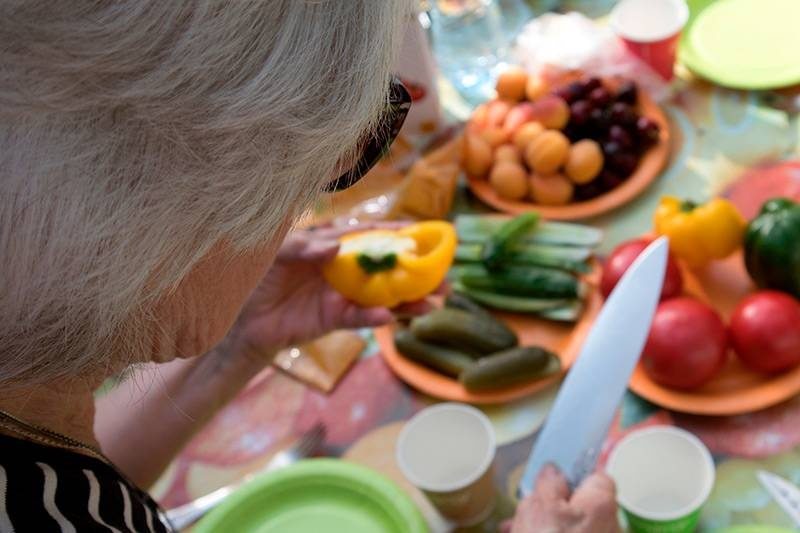
Today, let’s discuss fruit consumption among older adults. Compared with younger people, seniors often have reduced digestive and absorption capacity, and many may also live with chronic health conditions. Given these factors, choosing the right fruits can play an important role in maintaining and improving one’s overall health.
Fruit is more than just a snack.
Fruits provide essential vitamins and minerals that the body needs. Dietary recommendations suggest that adults should consume about 200–350 grams of fruit daily as part of a balanced diet. However, many elderly individuals do not meet this recommended intake.
Because digestion weakens with age, some seniors may feel bloating or discomfort after eating fruit, which can discourage them from including it in their diet. To minimize such issues, it is important to choose fresh fruits free of harmful microorganisms and pesticide residues. Fruits taken straight from the refrigerator should be slightly warmed—placing them in warm water for 5–10 minutes can help make them easier on the stomach. Additionally, probiotics may help support gut health and improve digestion.
For those who have difficulty chewing, consuming fruit in blended form can be a good alternative. Using a blender instead of juicing helps retain more dietary fiber, which is beneficial for digestion.
Key considerations when selecting fruits for the elderly
Some citrus fruits, including pomelos and blood oranges, contain compounds like furanocoumarins. These can interfere with the breakdown of certain blood pressure medications in the liver, potentially causing blood pressure to drop too low. Therefore, individuals on long-term antihypertensive drugs should limit or avoid these fruits.
Seniors with heart conditions or edema should be cautious with high-water-content fruits, such as watermelon and coconut, as excessive intake may worsen fluid retention and strain the heart.
Elderly individuals with diabetes should choose low-glycemic fruits, such as apples, pears, peaches, plums, oranges, and pomelos. It is also important to control portion sizes, adjust carbohydrate intake from other foods accordingly, and regularly monitor blood sugar levels.
 Discuss
More news
Discuss
More news